
3. Lemon Thyme
Lemon thyme combines the earthy aroma of thyme with a distinctive citrus fragrance.
Like other members of the thyme family, it contains aromatic compounds that become especially noticeable when the leaves are gently rubbed or crushed.
That makes lemon thyme an attractive choice for planting near walkways, between stepping stones where appropriate, or around outdoor seating areas where occasional contact releases its fragrance.
It is also an excellent culinary herb.
Use it with roasted vegetables, chicken, fish, potatoes, soups, marinades, and salad dressings.
Growing Lemon Thyme Successfully
Lemon thyme generally prefers plenty of sunlight and well-draining soil.
Once established, it can tolerate relatively dry conditions better than many thirsty garden plants.
Avoid leaving the roots in permanently soggy soil.
Trimming the plant periodically helps maintain compact growth and gives you fresh leaves for cooking.
4. Lemongrass and Citronella Grass
Citronella is one of the most recognizable names associated with mosquito control.
Citronella oil is obtained from certain aromatic grasses in the Cymbopogon genus. Related lemongrass varieties also contain strongly scented volatile compounds.
These grasses can create an impressive tropical appearance in the garden while releasing a fresh citrus fragrance when their leaves are handled.
In warm climates they can become substantial plants, so give them enough room to grow or keep them in large containers.
Citronella Plant vs. Citronella Grass
There is an important distinction worth knowing when shopping at a garden center.
The plant commonly marketed as a “mosquito plant” or “citronella geranium” is not necessarily the same plant from which commercial citronella oil is traditionally obtained.
True citronella grasses belong to the Cymbopogon group.
This does not mean scented geraniums are useless ornamental plants—they can be attractive and wonderfully fragrant—but consumers should not assume every plant carrying the word “citronella” provides the same properties.
5. Rosemary
Rosemary is another hardworking herb that deserves a place near the kitchen and patio.
Its needle-like leaves contain powerful aromatic compounds responsible for the familiar woody fragrance released when you brush against the plant.
Rosemary-derived compounds and oils have been studied in relation to several insects, although, once again, a growing rosemary bush should not be considered a replacement for a tested personal repellent.
As a garden plant, rosemary offers several advantages. It smells wonderful, is useful in countless recipes, tolerates warm conditions once established, and can become an attractive evergreen shrub in suitable climates.
Where to Put Rosemary
Place containers near patios, outdoor kitchens, pathways, or sunny entrances.
Rosemary prefers excellent drainage and generally dislikes constantly wet roots.
Harvesting small sprigs periodically encourages use of the plant while providing seasoning for potatoes, vegetables, breads, sauces, and roasted dishes.
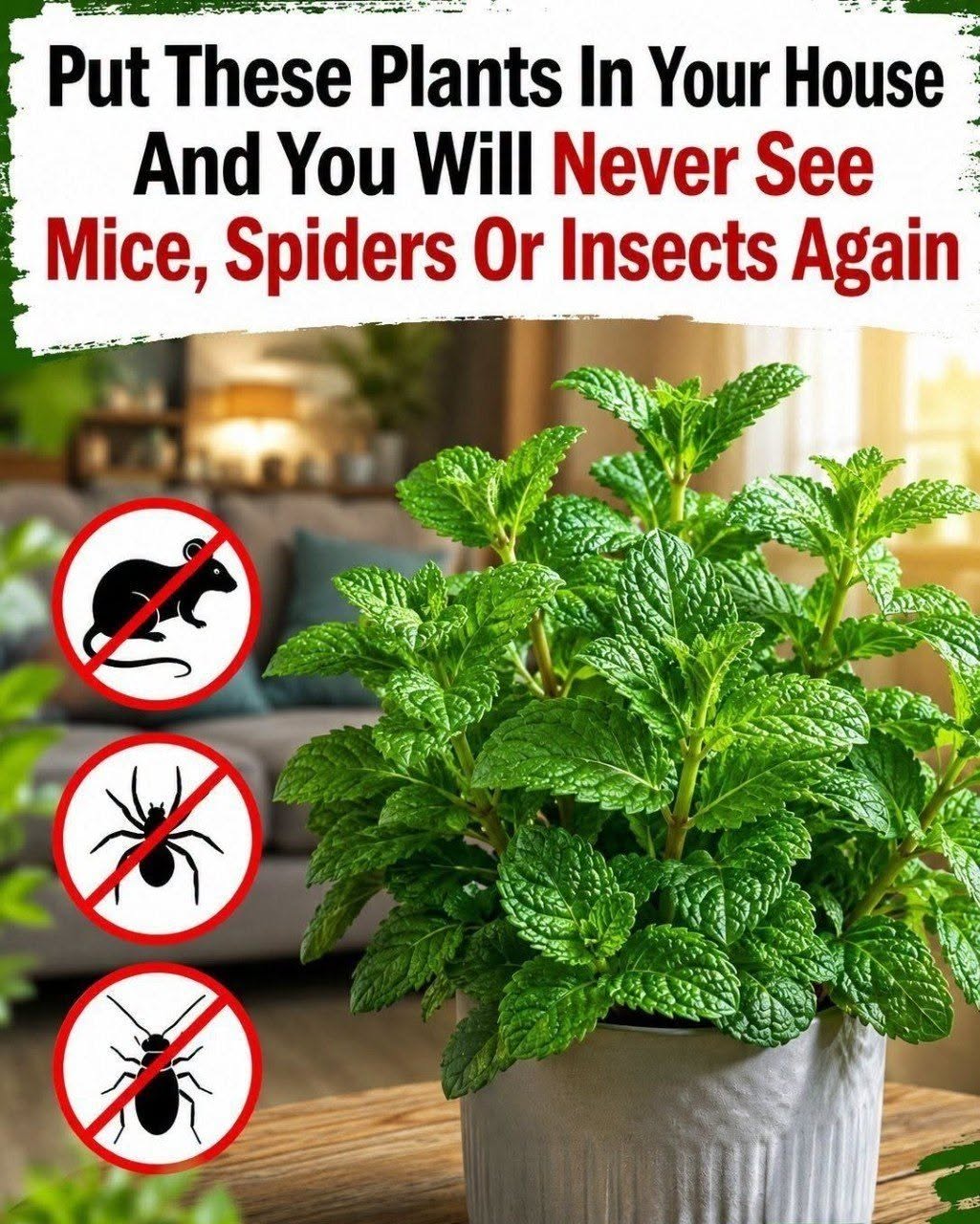
6. Mint
Mint has such a strong aroma that even a small handful of crushed leaves can perfume an entire kitchen.
The menthol and other aromatic compounds found in mint are frequently associated with traditional pest-deterrent uses.
Mint is sometimes recommended around areas where people have noticed ants, flies, or rodents. Evidence for a living mint plant reliably preventing mice from entering a home is limited, so it should be viewed as a supplementary measure rather than a rodent-control solution.
There Is One Big Warning About Growing Mint
Mint spreads aggressively.
Once planted directly in fertile garden soil, it can travel through underground stems and appear far beyond the location where you originally wanted it.
For most households, growing mint in containers is the easiest way to keep it under control.
Place those containers near patios, doors, vegetable gardens, or windows where you can also conveniently harvest the leaves.
Fresh mint is excellent in tea, salads, fruit dishes, sauces, and cold drinks, so very little of the plant needs to go to waste.
The final two plants demonstrate why a pest-conscious garden doesn’t have to look purely functional—some of the most useful choices can also provide striking flowers and color throughout the growing season.
