
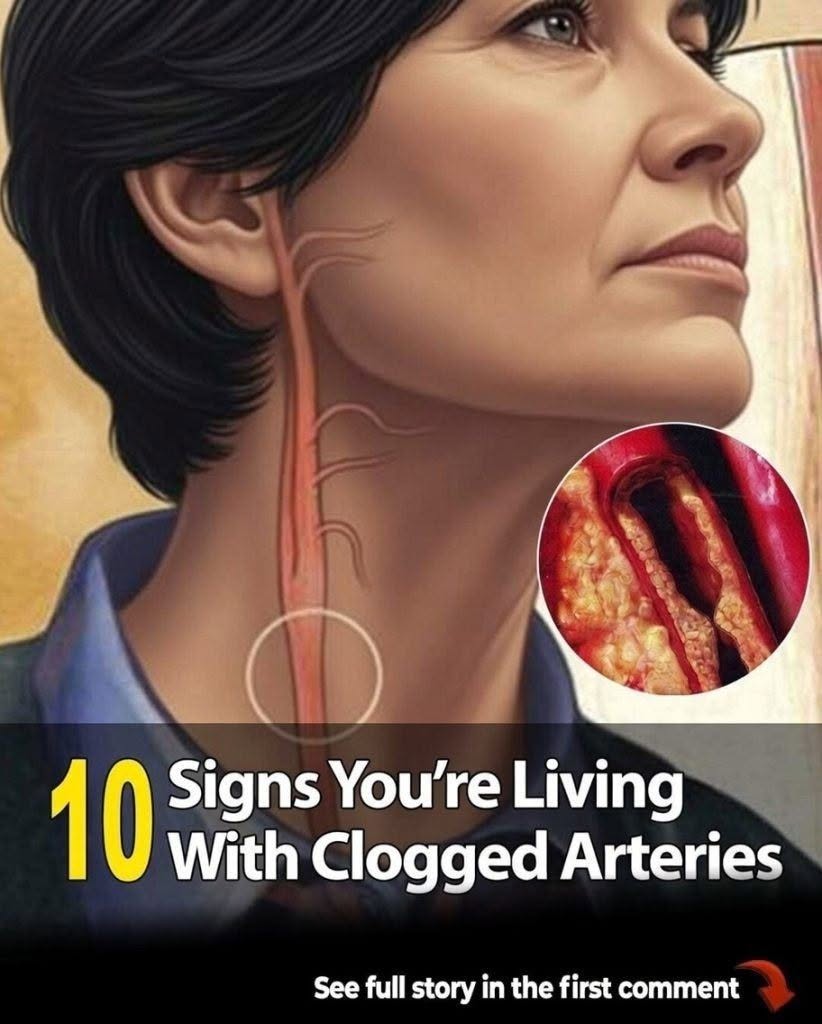
Blocked or narrowed arteries can develop gradually over many years, sometimes without causing obvious symptoms until blood flow becomes significantly reduced. The medical term for the underlying process is atherosclerosis, a condition in which plaque builds up within artery walls.
Plaque can contain cholesterol, fats, calcium, inflammatory cells, and other substances circulating in the blood. As plaque accumulates, arteries may become narrower and less flexible. In some situations, a plaque can rupture and trigger formation of a blood clot, potentially causing a heart attack or stroke.
One of the difficult things about atherosclerosis is that there is no single symptom that reliably tells you that an artery is blocked. Symptoms depend heavily on which arteries are affected and how severely blood flow has been restricted.
The following signs can occur with cardiovascular disease, but they can also have many other causes. They should therefore be treated as reasons to seek appropriate medical evaluation rather than as a way to diagnose blocked arteries at home.
1. Chest Pain or Pressure
Chest discomfort is one of the best-known possible symptoms of reduced blood flow to the heart.
When coronary arteries become narrowed, the heart muscle may temporarily receive less oxygen-rich blood than it needs, particularly during physical exertion or emotional stress. This can produce a type of chest discomfort called angina.
People describe angina differently. It may feel like pressure, squeezing, heaviness, tightness, burning, or an uncomfortable fullness in the chest rather than a sharp pain.
Stable angina often appears during exertion and improves with rest. However, new chest discomfort, pain occurring at rest, symptoms becoming more frequent or severe, or chest discomfort that does not quickly resolve requires urgent medical attention.
Heart attacks do not always produce dramatic crushing chest pain. Symptoms can sometimes be subtle, particularly among older adults, women, and people with diabetes.
2. Shortness of Breath
Unexplained breathlessness can sometimes accompany coronary artery disease or other cardiovascular conditions.
If the heart is having difficulty supplying the body with adequate blood and oxygen, ordinary activities such as climbing stairs, carrying groceries, or walking may suddenly feel more demanding than they once did.
Some people experience shortness of breath alongside chest pressure, while others may notice breathlessness without significant chest discomfort.
Shortness of breath has many possible causes, including lung disease, anemia, infections, deconditioning, and other heart conditions. Persistent or unexplained symptoms therefore deserve medical evaluation rather than being automatically attributed to clogged arteries.
3. Unusual Fatigue or Reduced Exercise Tolerance
Everybody gets tired, and ordinary fatigue by itself is not a reliable indicator of artery disease.
What can be more concerning is a noticeable and unexplained change in your normal capacity for activity.
You might discover that a walk you previously completed comfortably suddenly requires several breaks, household chores leave you unusually exhausted, or you consistently feel depleted after modest exertion.
Fatigue can accompany cardiovascular disease, but it is also extremely common in sleep disorders, anemia, thyroid problems, infections, depression, medication side effects, and many other conditions.
The important clue is often a new change from your usual baseline, particularly when fatigue appears together with breathlessness, chest discomfort, nausea, or unusual sweating.
4. Discomfort in the Jaw, Neck, Shoulder, Arm, or Back
Heart-related discomfort does not necessarily remain in the center of the chest.
Some people experience discomfort that spreads into one or both arms, the shoulders, neck, jaw, or upper back.
Occasionally, these symptoms can occur with little obvious chest pain.
This is one reason potentially serious cardiovascular symptoms can sometimes be mistaken for indigestion, muscle strain, dental pain, or ordinary fatigue.
Location alone cannot determine whether pain comes from the heart. However, new unexplained upper-body discomfort—especially when triggered by exertion or accompanied by shortness of breath, sweating, nausea, or chest pressure—should not simply be ignored.
Some cardiovascular warning signs appear far away from the chest. What happens in the legs, brain, or even sexual function can sometimes provide important clues about the health of arteries throughout the body.
