
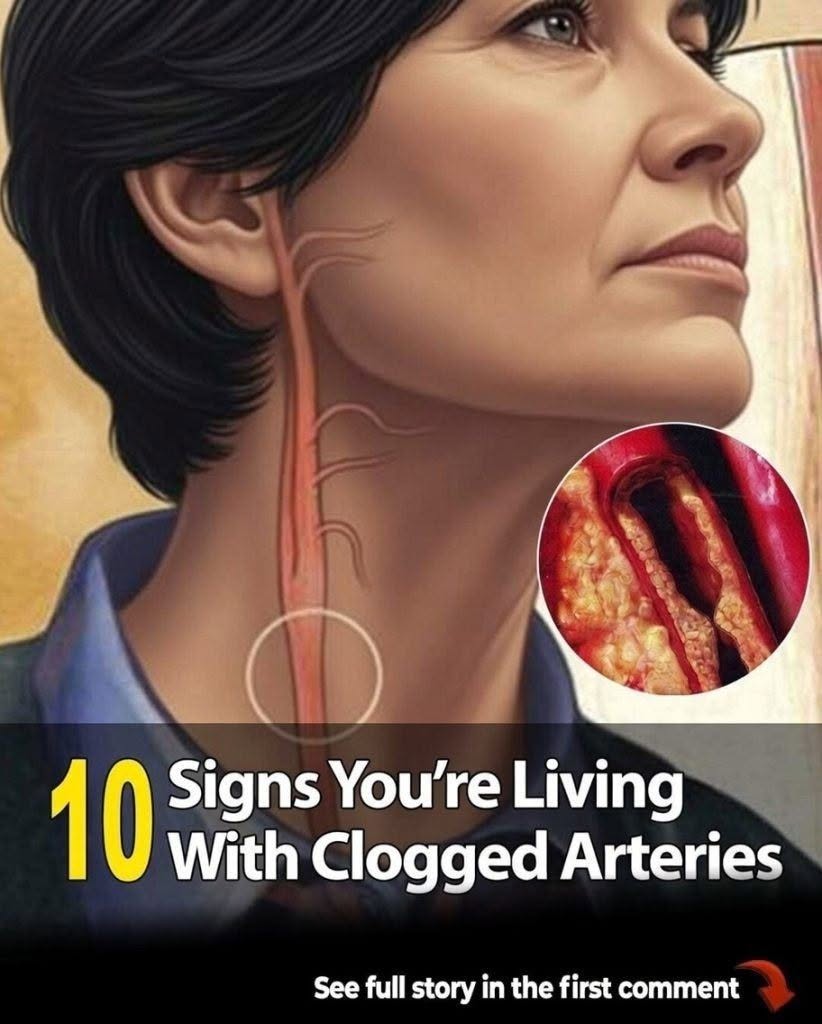
Why Blocked Arteries Can Be Difficult to Detect
Atherosclerosis usually develops gradually.
During its earlier stages, an artery may become increasingly affected without producing noticeable symptoms. The body can sometimes compensate for reduced blood flow, and symptoms may not emerge until circulation becomes substantially impaired or a plaque suddenly ruptures.
That is why waiting for symptoms is not an ideal strategy for preventing cardiovascular disease.
Regular medical care and management of risk factors can identify problems long before an emergency occurs.
Major Risk Factors for Atherosclerosis
Your likelihood of developing cardiovascular disease is influenced by a combination of factors rather than one single habit.
Important risk factors include:
- Smoking or tobacco exposure
- High blood pressure
- High LDL cholesterol
- Diabetes
- Older age
- Family history of premature cardiovascular disease
- Physical inactivity
- Excess body weight
- Certain chronic inflammatory or kidney conditions
- A diet consistently high in foods associated with poorer cardiovascular health
Some factors, such as age and family history, cannot be changed. Others can often be improved substantially.
How Doctors Check for Artery Disease
There is no reliable home test that can tell you whether your arteries are blocked.
A healthcare professional may begin by discussing symptoms, medical history, family history, medications, blood pressure, cholesterol, blood sugar, smoking history, and physical activity.
Depending on the situation, further evaluation might involve blood tests, an electrocardiogram, exercise testing, ankle-brachial index testing for suspected peripheral artery disease, ultrasound, CT-based imaging, or other cardiovascular investigations.
The appropriate test depends on symptoms and individual risk. More testing is not automatically better, which is why evaluation should be individualized.
Can Atherosclerosis Be Prevented?
Not every case can be prevented completely, but cardiovascular risk can often be reduced significantly.
Some of the most important protective habits are remarkably ordinary.
Don’t Smoke
Smoking damages blood vessels and substantially increases cardiovascular risk. Stopping smoking is one of the most important changes a smoker can make for heart and artery health.
Know Your Blood Pressure
High blood pressure often produces no symptoms while gradually damaging arteries and increasing the workload on the heart.
Regular measurement can reveal a problem that might otherwise remain unnoticed.
Pay Attention to Cholesterol
High levels of LDL cholesterol contribute to atherosclerotic plaque formation.
Some people can improve cholesterol substantially through lifestyle changes, while others benefit from cholesterol-lowering medication based on their overall cardiovascular risk.
Manage Diabetes
Persistently elevated blood glucose can damage blood vessels and significantly increase the risk of cardiovascular disease.
People with diabetes should work with their healthcare team to manage blood glucose alongside blood pressure, cholesterol, kidney health, and other risk factors.
Stay Physically Active
Regular activity supports cardiovascular fitness, blood-pressure control, insulin sensitivity, weight management, and overall health.
You do not necessarily need an elaborate exercise program. Walking and other sustainable forms of movement can provide meaningful benefits when performed consistently and when medically appropriate.
Build a Heart-Supportive Eating Pattern
Instead of searching for one miracle food capable of “unclogging” arteries, focus on the overall dietary pattern.
Vegetables, fruits, legumes, whole grains, nuts, seeds, fish where appropriate, and sources of unsaturated fats can form the foundation of a heart-supportive diet.
At the same time, limiting excessive sodium, heavily processed foods, trans fats, and large amounts of saturated fat may be helpful depending on individual health needs.
When Symptoms Become an Emergency
Some warning signs should never be watched at home while waiting for them to improve.
Seek emergency medical assistance for symptoms suggestive of a heart attack or stroke, including new or severe chest pressure or pain, significant difficulty breathing, fainting, sudden one-sided weakness or numbness, facial drooping, sudden speech difficulty, or other abrupt neurological changes.
Heart attack symptoms can also include discomfort spreading to the arm, jaw, neck, back, or stomach, along with nausea or cold sweating.
If you are uncertain whether severe new symptoms represent an emergency, it is safer to seek urgent professional assessment than to attempt to diagnose the cause yourself.
Do These 10 Symptoms Prove Your Arteries Are Blocked?
No.
This is perhaps the most important point to remember.
Chest discomfort, fatigue, dizziness, palpitations, erectile dysfunction, breathlessness, and leg pain can all result from conditions unrelated to atherosclerosis.
Conversely, someone can have significant atherosclerosis without experiencing obvious warning signs.
Symptoms are clues—not a diagnosis.
Final Thoughts
Atherosclerosis can affect arteries supplying the heart, brain, legs, and other parts of the body. Depending on where blood flow becomes restricted, warning signs may range from chest pressure and shortness of breath to exertional leg pain or sudden neurological symptoms.
Recognizing these possibilities is useful, but prevention and early detection depend on much more than watching for symptoms.
Knowing your blood pressure, cholesterol, blood sugar, family history, and other cardiovascular risk factors can provide a much clearer picture of your long-term health.
Most importantly, never dismiss sudden chest discomfort, severe breathlessness, fainting, or signs of stroke simply because you are unsure what is causing them.
When it comes to the heart and brain, receiving appropriate medical care quickly can make an enormous difference.
