
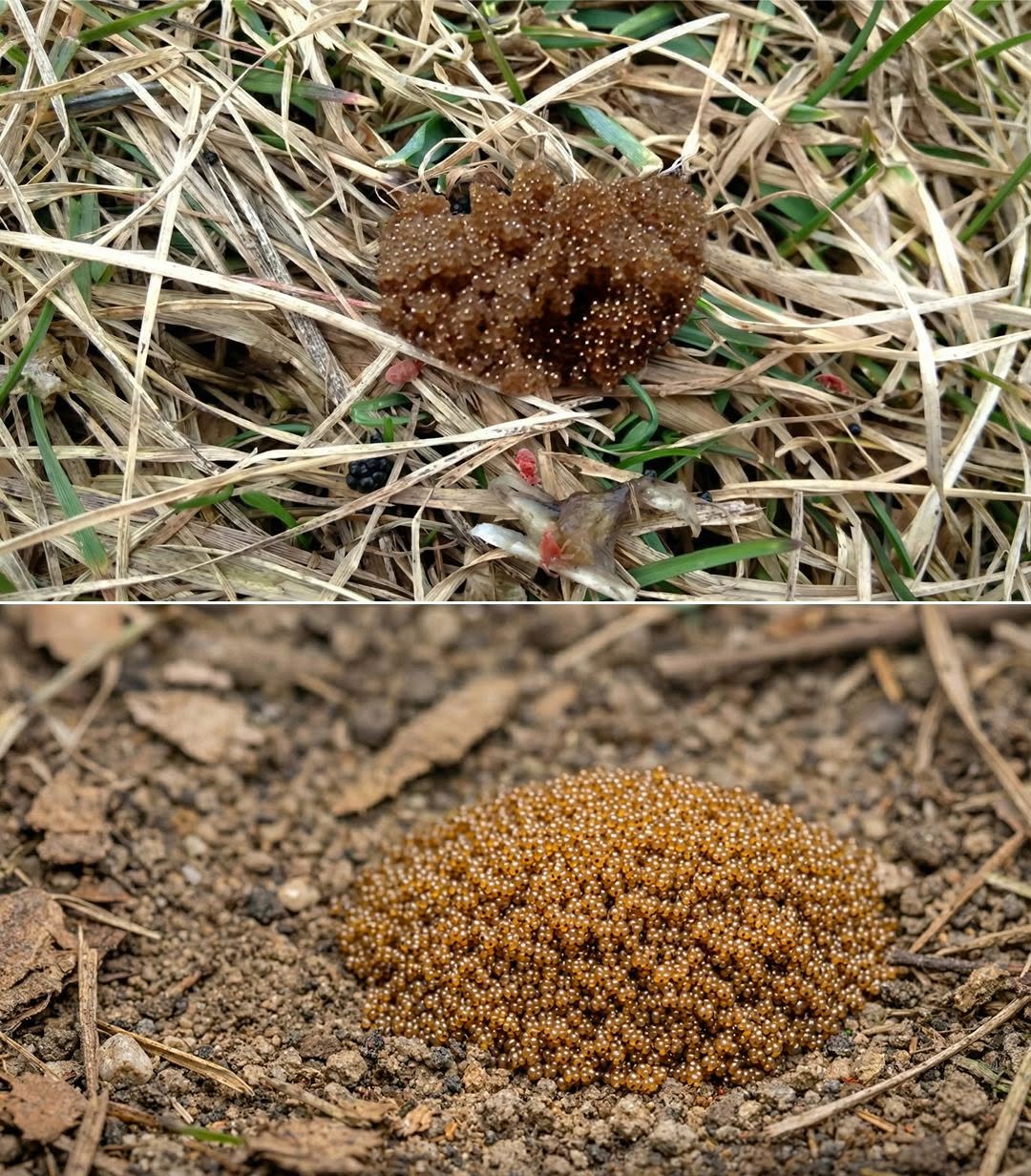
Removal and Disposal of Tick Eggs
If you believe you have found tick eggs in your backyard, consider contacting a professional pest-control service or local extension service for proper identification and advice on tick management.
Do not burn suspected tick eggs. Burning vegetation or outdoor materials can create unnecessary fire hazards and may expose you to smoke and other harmful substances.
For an individual tick that has attached to skin, use fine-tipped tweezers to grasp the tick as close to the skin as possible and pull upward with steady, even pressure. Avoid twisting, crushing, or applying substances such as petroleum jelly or chemicals to the tick.
After removal, clean the bite area and your hands. The removed tick can be placed in a sealed container or bag for identification if needed.
Preventive Measures in Your Backyard
- Remove Deer-Attracting Plants: Reducing plants and landscaping features that attract deer can help reduce deer activity around your property.
- Maintain Your Lawn: Keep grass mowed and reduce heavy brush, leaf litter, and dense ground cover where ticks can thrive.
- Manage Woodpiles and Debris: Keep woodpiles elevated and organized, and remove unnecessary leaves, brush, and debris from areas close to the house.
- Discourage Rodents and Other Hosts: Keep outdoor areas tidy and avoid conditions that attract rodents, which can serve as hosts for certain tick species.
- Create a Barrier: A strip of gravel or wood chips between lawns and wooded areas can help separate frequently used spaces from tick-friendly habitats.
Good yard maintenance is one of the simplest ways to make your property less attractive to ticks—but there are several other precautions worth considering.
Additional Ways to Reduce Tick Risk
- Use Repellents Carefully: If you choose a tick repellent, use a product specifically labeled for the intended area and follow its instructions carefully. Natural products should not automatically be assumed to be safer or equally effective.
- Consider Tick Tubes: In areas where they are appropriate and legally available, tick tubes can be used as part of an integrated tick-management strategy targeting rodents.
- Keep Recreational Areas Clear: Maintain a clean boundary around patios, play areas, and other places where people spend time outdoors.
- Limit Dense Vegetation: Trim overgrown shrubs and vegetation around frequently used parts of the yard to reduce suitable tick habitat.
- Seek Professional Treatment When Necessary: If ticks are repeatedly found around your property despite preventive measures, a licensed pest-control professional can assess the area and recommend appropriate treatment.
Final Thoughts
Finding a cluster of tiny eggs outdoors can be concerning, but it is important not to assume that every small cluster is made up of tick eggs. Many insects lay eggs in clusters, and accurate identification is essential before taking action.
If you suspect tick eggs, avoid touching them unnecessarily and do not burn them. Instead, seek professional identification when needed and focus on reducing the conditions that support ticks around your property.
Regular lawn maintenance, reducing leaf litter and brush, managing wildlife attractants, and taking appropriate personal precautions can all help reduce exposure to ticks and the diseases they may carry.
