
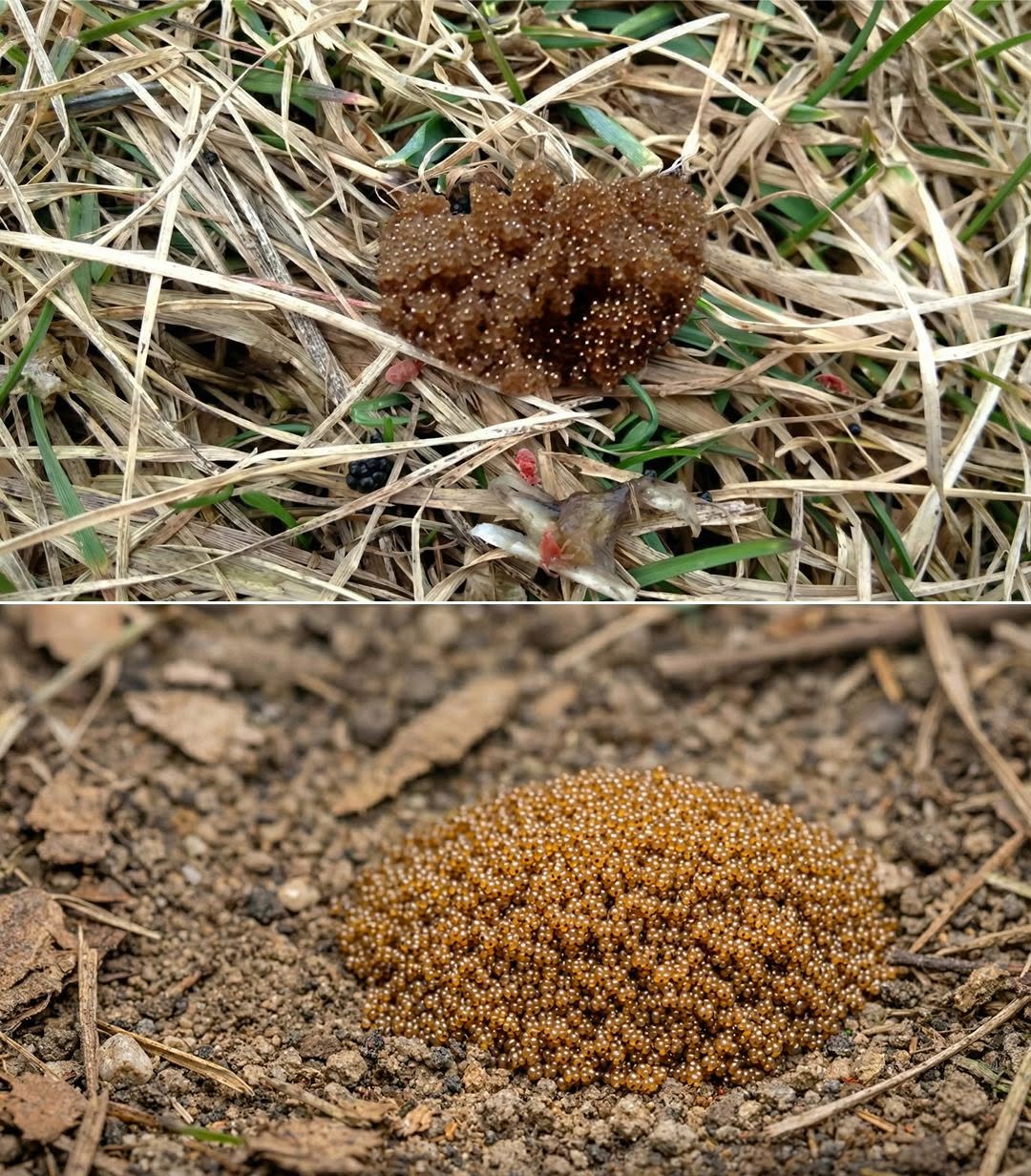
Encountering tick eggs in your backyard is a concern not to be taken lightly. Ticks are notorious for carrying diseases, and their eggs, often found in sheltered outdoor areas, can be the start of a problematic infestation. This comprehensive guide aims to provide you with the essential knowledge and steps to identify, handle, and prevent tick eggs effectively.
Before taking action, it’s important to know what tick eggs actually look like—and why identifying them correctly matters.
Identification of Tick Eggs
Tick eggs are tiny, typically measuring about 0.5 mm in diameter—the size of a poppy seed. They are usually oval or pear-shaped with a translucent or slightly whitish appearance, though this can vary depending on the tick species.
Tick eggs are often laid in clusters and attached to vegetation, leaf litter, or other surfaces near the ground. As they mature, they may become more opaque and take on a color closer to the adult tick of the species.
The eggs are typically smooth and glossy in texture, and their color can range from pale yellow to light brown.
The Dangers of Tick Eggs
The primary concern with tick eggs is that they can hatch into larvae, which develop through several life stages. Depending on the tick species and region, ticks can transmit diseases such as Lyme disease and Rocky Mountain spotted fever.
However, tick eggs themselves do not transmit disease in the same way that an attached tick bite can. The main concern is preventing eggs from developing into ticks and reducing conditions that support an infestation.
If you discover a suspicious cluster, avoid handling it with bare hands and focus on safe identification and removal rather than trying to burn it.
