
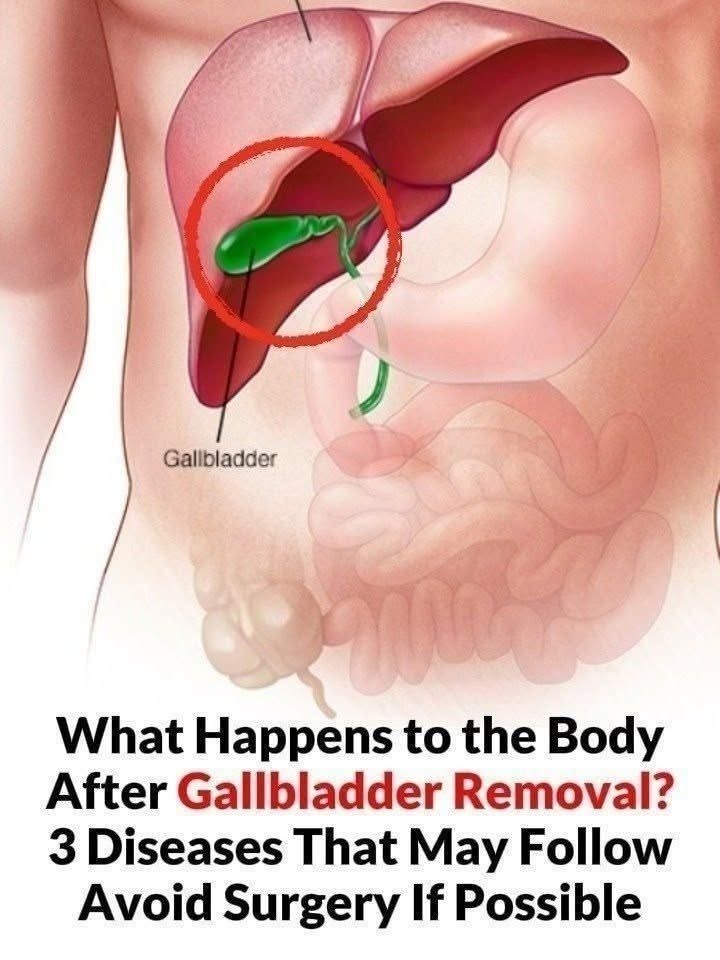
When Is Gallbladder Surgery Commonly Recommended?
A healthcare professional may recommend cholecystectomy for conditions such as:
- Repeated painful gallstone attacks
- Acute or chronic cholecystitis
- Gallstones causing pancreatitis
- Gallstones blocking the bile duct
- Certain gallbladder polyps or abnormalities
- Other complications affecting normal gallbladder function
What About Gallstones With No Symptoms?
Many people have gallstones without knowing it.
When gallstones are discovered accidentally and have never caused symptoms, surgery is not automatically required in every case.
The decision depends on individual risk factors and the specific findings.
Symptoms of a Gallbladder Attack
Gallstone pain often occurs in the upper-right or upper-middle abdomen and may develop after a fatty meal.
The pain can sometimes spread toward the back or right shoulder.
Other symptoms may include:
- Nausea
- Vomiting
- Abdominal tenderness
- Bloating
When Gallbladder Symptoms Become an Emergency
Seek urgent medical care for severe or persistent abdominal pain accompanied by:
- Fever
- Chills
- Jaundice
- Repeated vomiting
- Confusion
- Severe weakness
Diet Immediately After Gallbladder Removal
During early recovery, smaller and lighter meals are often easier to tolerate.
Some people benefit from temporarily limiting foods that are especially greasy or high in fat.
Foods That May Be Easier at First
- Rice
- Oatmeal
- Bananas
- Toast
- Potatoes
- Lean chicken or fish
- Cooked vegetables
- Low-fat yogurt if tolerated
- Soups
Foods That May Trigger Symptoms Early On
Not everyone reacts the same way, but common triggers can include:
- Fried foods
- Very fatty meats
- Heavy cream sauces
- Large amounts of butter
- Fast food
- Very large meals
Do You Need a Permanent Low-Fat Diet?
Usually not.
Many people gradually return to a normal balanced diet.
The goal is not necessarily to eliminate fat entirely, because healthy fats are important for nutrition.
Instead, introduce foods gradually and pay attention to individual tolerance.
Eat Smaller Meals During Recovery
Large meals require more digestive activity at once.
Smaller meals may be more comfortable while the digestive system adjusts to continuous bile flow.
Increase Fiber Gradually
Fiber can help normalize bowel movements, but suddenly consuming very large amounts may worsen gas and cramping.
Increase fiber slowly from foods such as:
- Oats
- Vegetables
- Fruit
- Beans
- Whole grains
Hydration Matters
If diarrhea occurs after surgery, adequate fluid intake becomes particularly important.
Persistent diarrhea can cause dehydration and electrolyte loss.
Can You Still Digest Fat Without a Gallbladder?
Yes.
Your liver continues producing bile, so fat digestion still occurs.
The difference is that bile is delivered more continuously and is less concentrated than the bile stored previously in the gallbladder.
Can You Absorb Vitamins A, D, E, and K?
Most people continue absorbing fat-soluble vitamins normally after uncomplicated gallbladder removal.
Persistent severe diarrhea or other intestinal disorders may interfere with absorption and should be evaluated.
Do You Need Bile Supplements?
Most people do not routinely need bile salts or digestive supplements after gallbladder removal.
Supplements marketed as necessary for everyone without a gallbladder are not automatically required.
If you have persistent symptoms, discuss them with a healthcare professional before starting supplements.
Can You Drink Coffee After Surgery?
Many people eventually tolerate coffee normally.
During early recovery, caffeine may worsen diarrhea or stomach discomfort in some individuals, so gradual reintroduction can be helpful.
Can You Drink Alcohol?
Follow your surgeon’s instructions during recovery, particularly while taking pain medication.
Long-term alcohol recommendations depend on overall liver health and individual medical history rather than the absence of a gallbladder alone.
Exercise After Gallbladder Surgery
Walking is often encouraged relatively soon after uncomplicated laparoscopic surgery.
Heavy lifting and strenuous abdominal exercise may need to be limited temporarily.
Follow the specific restrictions given by your surgical team.
Frequently Asked Questions
Does the Liver Work Harder Without a Gallbladder?
The liver continues producing bile as it did before surgery.
The primary change is where that bile is stored, not that the liver suddenly has to replace the gallbladder’s production function.
Does Bile Constantly Leak Into the Intestine?
Bile flows more continuously through the bile ducts into the small intestine after surgery.
This is a normal consequence of gallbladder removal.
Will I Have Diarrhea Forever?
Most people do not.
Temporary diarrhea is relatively common, while persistent symptoms occur in a smaller proportion of patients and can often be treated.
Will I Gain Weight After Gallbladder Removal?
Surgery itself does not guarantee weight gain.
Changes in diet, activity, metabolism, and eating habits after recovery can influence weight.
Can Gallstones Return?
Gallstones cannot return inside a gallbladder that has been removed.
However, stones can occasionally be found or form within the bile ducts.
Can the Gallbladder Grow Back?
No.
Once surgically removed, the gallbladder does not regenerate.
Is Gallbladder Removal Dangerous?
Like every operation, cholecystectomy has potential risks.
Possible complications include bleeding, infection, bile leakage, injury to nearby structures, blood clots, and anesthesia-related problems.
However, laparoscopic gallbladder removal is a commonly performed procedure, and serious complications are uncommon in appropriately selected patients.
When Should You Contact a Doctor After Surgery?
Seek medical advice for:
- Increasing abdominal pain
- Persistent fever
- Yellow skin or eyes
- Persistent vomiting
- Severe diarrhea
- Redness, swelling, or drainage from an incision
- Difficulty breathing
- Inability to eat or drink
Can Gallbladder Disease Be Prevented?
Not every gallstone can be prevented.
However, maintaining a healthy weight, staying physically active, eating adequate fiber, and avoiding extreme crash diets may reduce gallstone risk in some people.
Rapid Weight Loss and Gallstones
Very rapid weight loss can increase the risk of gallstone formation.
If weight loss is medically appropriate, gradual and sustainable approaches are generally preferable.
Do Natural Remedies Dissolve Gallstones?
So-called gallbladder cleanses or flushes involving large quantities of oil, lemon juice, herbs, or other mixtures have not been proven to safely remove gallstones.
They should not delay medical care for symptomatic gallstone disease.
Can Medication Dissolve Gallstones?
Certain medications can dissolve selected cholesterol stones in specific circumstances, but treatment may take months or years, does not work for every type of stone, and stones may recur.
This is why medication is not a universal alternative to surgery.
The Most Important Decision Before Surgery
If your doctor recommends gallbladder removal and the situation is not an emergency, it is reasonable to ask:
- Why is surgery recommended?
- What happens if I wait?
- Are my stones causing symptoms or complications?
- Are there reasonable alternatives?
- What are my individual surgical risks?
- What symptoms should send me to the emergency department?
Final Thoughts
The gallbladder plays a useful role by storing and concentrating bile, but the human body can generally function very well without it.
After removal, the liver continues producing bile and digestion continues.
Some people experience temporary diarrhea, bloating, indigestion, or difficulty tolerating fatty meals as their digestive system adjusts.
A smaller number may develop persistent problems such as bile acid diarrhea, post-cholecystectomy symptoms, or complications involving the bile ducts.
These possibilities are important to understand, but they do not mean that gallbladder removal inevitably causes disease.
Likewise, telling everyone to avoid surgery can be dangerous. Untreated gallstones can sometimes lead to severe gallbladder infection, blocked bile ducts, jaundice, pancreatitis, or other complications.
If gallstones are silent and causing no problems, observation may be appropriate in many cases. If they are repeatedly causing pain or complications, surgery may provide substantial benefit.
The safest approach is an individualized decision made with a qualified healthcare professional after considering symptoms, imaging findings, medical history, and the risks of both treatment and non-treatment.
After surgery, most people can gradually return to a normal, balanced diet and active life.
Listen to your digestive system, introduce fatty foods gradually, stay hydrated, and seek medical evaluation if severe pain, jaundice, fever, persistent diarrhea, or other concerning symptoms develop.
