
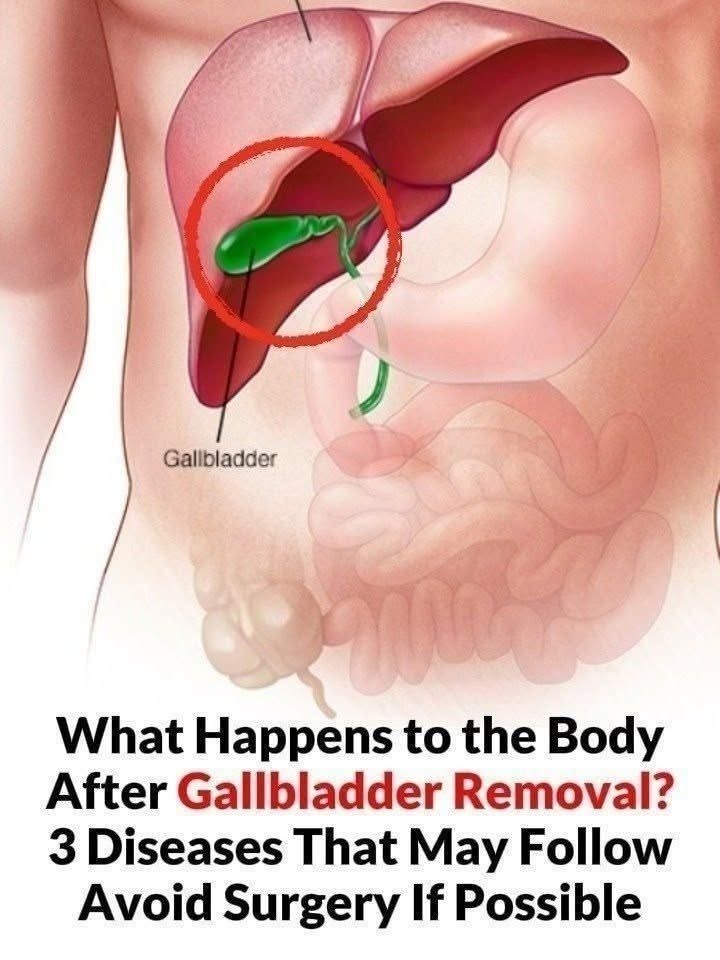
The gallbladder is a small pear-shaped organ located beneath the liver. Its main job is to store and concentrate bile, a digestive fluid produced continuously by the liver that helps the body break down and absorb fats.
When you eat a meal—particularly one containing fat—the gallbladder contracts and releases concentrated bile into the small intestine through the bile ducts.
Gallbladder removal, medically known as cholecystectomy, is one of the most commonly performed abdominal surgeries. It is frequently recommended for symptomatic gallstones, repeated gallbladder inflammation, bile duct complications, or other gallbladder diseases.
Most people live normally without a gallbladder. The liver continues producing bile after surgery; the major difference is that bile is no longer stored and released in concentrated bursts. Instead, it flows more continuously from the liver into the small intestine.
However, some people experience digestive changes after surgery, particularly during the first weeks or months. Understanding what is normal, what may persist, and which symptoms require medical attention can make recovery much easier.
What Exactly Does the Gallbladder Do?
The gallbladder does not produce bile. The liver does.
The gallbladder serves mainly as a storage reservoir. Between meals, bile enters the gallbladder, where water is removed and the bile becomes more concentrated.
After a meal, hormones signal the gallbladder to contract and release bile into the small intestine.
Bile helps:
- Digest dietary fats
- Absorb fat-soluble vitamins such as vitamins A, D, E, and K
- Carry cholesterol and other waste products from the liver into the intestine
What Changes After Gallbladder Removal?
After surgery, bile no longer collects in the gallbladder.
Instead, it travels directly from the liver through the bile ducts into the small intestine.
For most people, the digestive system adapts very well to this change.
There is usually still enough bile available to digest ordinary meals, although very large or extremely fatty meals may be harder to tolerate, especially soon after surgery.
Can You Live Normally Without a Gallbladder?
Yes.
The gallbladder is useful, but it is not essential for survival.
Most people can eventually return to a normal diet and normal activities after recovery.
Some individuals notice little or no difference in digestion after surgery.
Why Do Some People Have Digestive Problems After Surgery?
Because bile enters the intestine more continuously, rather than being stored and released primarily with meals, some people experience temporary changes in bowel habits.
These can include:
- Loose stools
- Urgency after meals
- Bloating
- Gas
- Abdominal discomfort
- Difficulty tolerating very fatty meals
These symptoms often improve as the digestive system adapts.
Gallbladder removal does not automatically cause chronic disease. Most patients recover well, but a minority develop persistent digestive symptoms that deserve medical evaluation rather than being dismissed as “normal after surgery.”
