
Among all nuts, walnuts consistently stand out for brain health.
They are especially rich in alpha-linolenic acid (ALA), a plant-based omega-3 fatty acid associated with anti-inflammatory and cardiovascular benefits.
Walnuts also contain polyphenols and antioxidants that may help protect brain cells from oxidative stress and inflammation.
Research continues to associate regular walnut consumption with:
- Better memory
- Improved cognitive performance
- Slower mental decline with ageing
A small daily handful added to oatmeal, salads, or smoothies can be a beneficial long-term habit.
Almonds and Hazelnuts for Memory Support
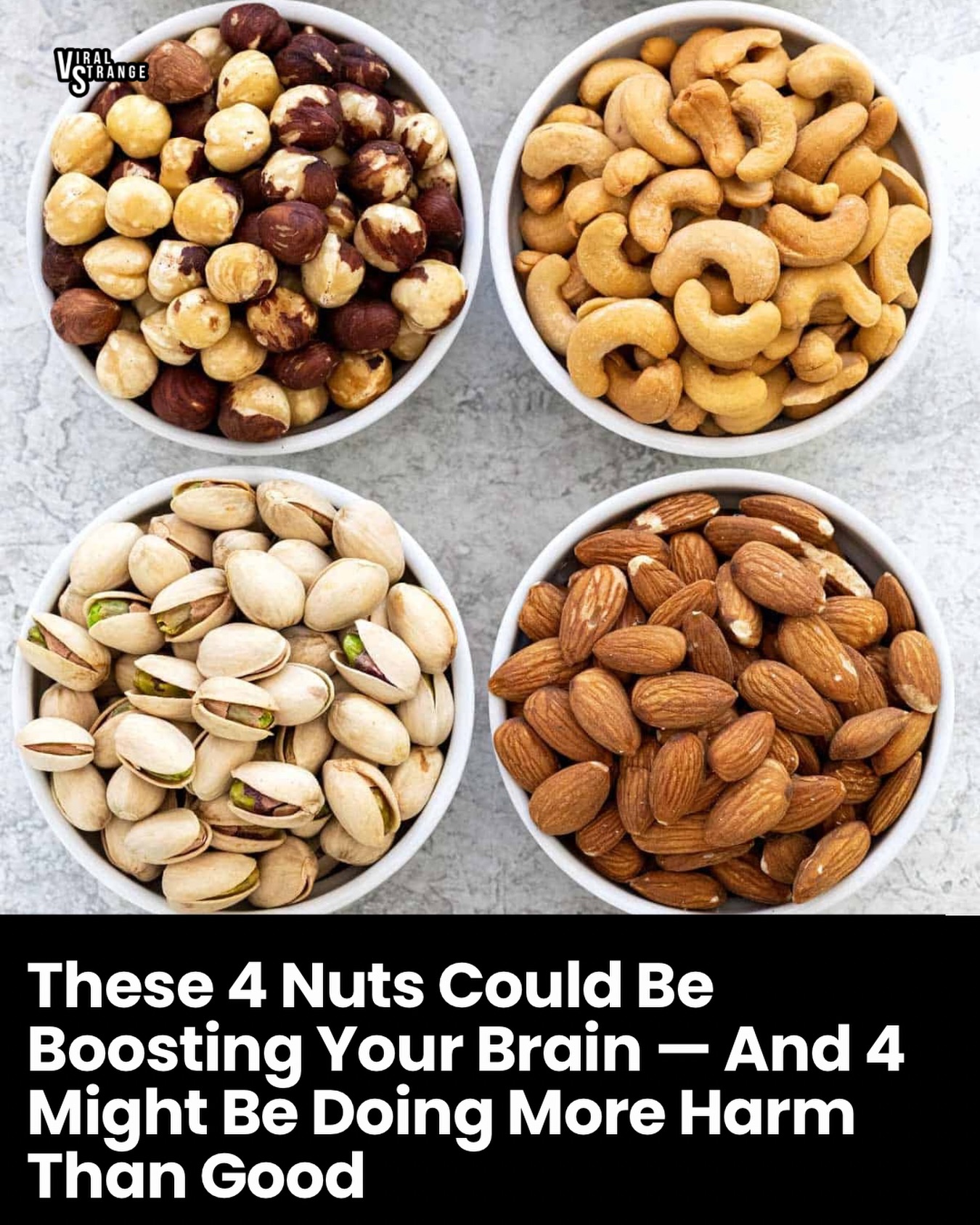
Almonds and hazelnuts are particularly rich in vitamin E, a nutrient strongly associated with brain protection and healthy ageing.
Vitamin E helps protect delicate brain cell membranes from oxidative damage and may support cognitive performance over time.
Some studies link higher vitamin E intake with:
- Better memory
- Improved attention
- Lower risk of cognitive decline
To maximize benefits, choose unsalted and minimally processed varieties whenever possible.
Pecans and Their Antioxidant Benefits
Pecans are often overlooked, yet they are among the most antioxidant-rich nuts available.
Their combination of vitamin E, polyphenols, and healthy fats may help protect the body from free radical damage and support healthier ageing overall.
Because pecans are calorie-dense, moderation remains important. A small handful is usually enough to gain benefits without excessive calorie intake.
