
Although peanuts are technically legumes rather than tree nuts, they are commonly discussed alongside nuts because they are inexpensive and high in protein.
The primary concern with peanuts is not the peanut itself, but the potential for aflatoxin contamination.
Aflatoxins are toxic compounds produced by certain moulds that can grow on peanuts stored in warm, humid conditions. Long-term exposure has been linked to serious health problems, including liver damage, and researchers continue to study possible neurological effects.
To reduce risk:
- Buy peanuts from reputable brands
- Avoid peanuts with a musty or bitter smell
- Store them in cool, dry conditions
- Avoid old or poorly stored bulk peanuts
Freshness matters more than many people realize.
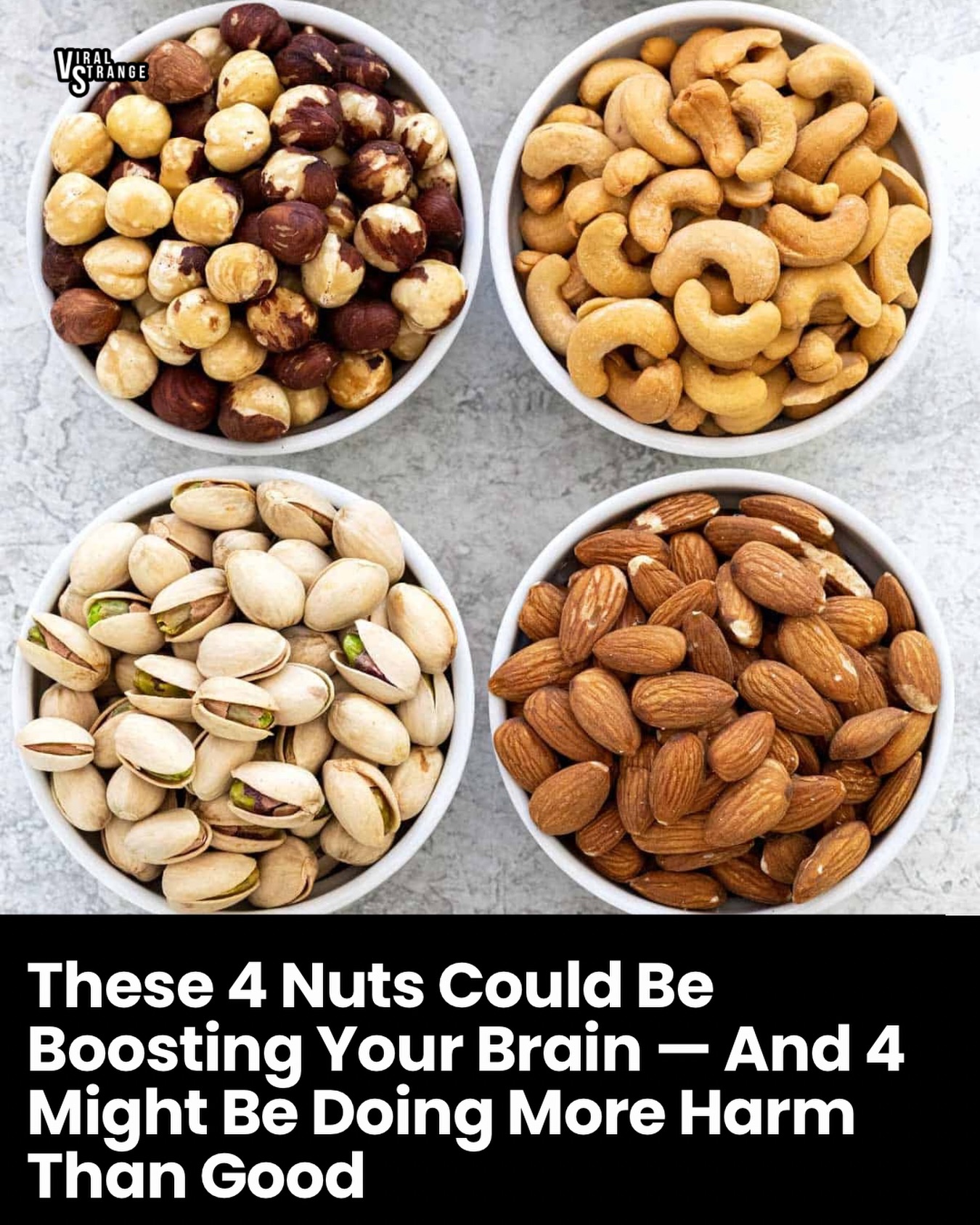
Salted Pistachios: Healthy in Moderation
Pistachios are naturally rich in healthy fats, fibre, potassium, and antioxidants. Some studies even suggest they may support healthy blood pressure levels.
The issue comes when pistachios are heavily salted or coated in processed flavourings.
Too much sodium may contribute to high blood pressure over time, potentially affecting the small blood vessels that nourish the brain. Highly processed snack foods are also associated with increased inflammation and faster cognitive decline.
A healthier option is to choose plain or lightly salted pistachios and enjoy them in moderate portions.
