
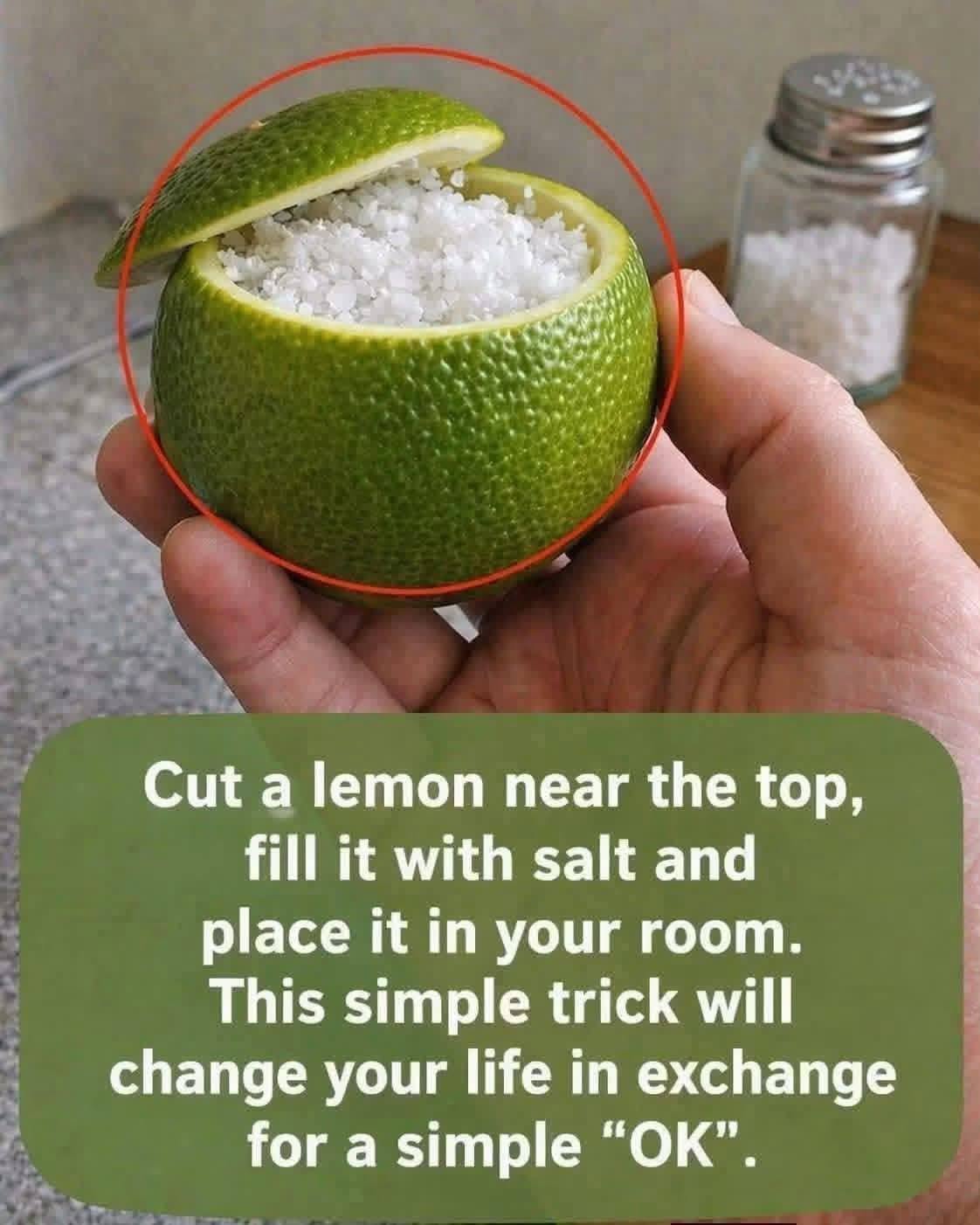
Where to Place It
Place the plate somewhere with gentle airflow, such as:
- Near a window
- On a kitchen counter away from food-preparation areas
- On a bathroom shelf
- On an entryway table
- In a well-ventilated bedroom
Avoid placing it directly in intense sunlight or next to a heater, as the lemon may dry out or spoil more quickly.
How Long Does It Last?
A prepared lemon may remain pleasantly fragrant for several days, but the exact time depends on room temperature, humidity, airflow, and the freshness of the fruit.
Check it daily.
Discard it immediately if you notice:
- Mold
- An unpleasant fermented smell
- Excessive leaking
- Very soft or collapsing fruit
- Visible insect activity
Replacing it every few days is a sensible approach.
Variation: Peppermint
A very small amount of peppermint aroma can be added if you enjoy a cooler, sharper scent.
If using essential oil, use only a drop or two and keep the mixture well away from children and pets.
Essential oils are highly concentrated and should not be treated as harmless simply because they are natural.
Variation: Eucalyptus
A few fresh eucalyptus leaves placed near the lemon can create a clean, herbal fragrance.
Again, keep eucalyptus and concentrated oils away from pets and young children, as some forms can be harmful if swallowed.
Variation: Cinnamon
Sprinkle a tiny amount of ground cinnamon over the salt or place a small cinnamon stick beside the lemon.
This creates a warmer fragrance that works especially well during autumn or winter.
Variation: Clove and Cinnamon
For a classic spiced-citrus aroma, combine whole cloves with a small cinnamon stick.
The fragrance is similar to traditional holiday pomanders.
Does Salted Lemon Really Purify the Air?
No strong evidence shows that a cut lemon filled with salt meaningfully purifies indoor air.
It does not function like a HEPA filter, activated-carbon purifier, ventilation system, or properly maintained HVAC filter.
It may make a room smell fresher, which can create the impression of cleaner air, but scent and air quality are not the same thing.
Can It Remove Toxins From the Air?
No reliable evidence shows that a salted lemon removes household toxins, chemical fumes, smoke particles, or dangerous gases.
If indoor air quality is a concern, more effective strategies include:
- Opening windows when outdoor conditions are suitable
- Using exhaust fans while cooking
- Maintaining heating and cooling filters
- Controlling moisture and mold sources
- Using an appropriate air purifier when needed
- Installing working smoke and carbon-monoxide alarms
Does the Lemon Absorb Dust and Airborne Particles?
Not in any meaningful air-cleaning sense.
Dust may naturally settle on any exposed object in a room, including a lemon, but this does not mean the fruit is actively filtering the air.
For this reason, the used lemon should be discarded rather than eaten.
Can It Help With Kitchen Odors?
The citrus aroma may help mask or soften mild food smells.
For strong odors from frying, smoke, spoiled food, or garbage, ventilation and source removal are much more effective.
Always remove the source of an odor rather than relying only on fragrance.
Can It Repel Ants or Fruit Flies?
Citrus and certain strong aromas may discourage some insects temporarily, but a salted lemon should not be relied upon as pest control.
In fact, exposed fruit can eventually attract fruit flies if it begins to ferment or deteriorate.
For ants or fruit flies, the most effective approach is usually to:
- Remove food residues
- Clean spills promptly
- Store produce correctly
- Empty trash regularly
- Seal entry points
The biggest benefit of this trick is the pleasant citrus fragrance and decorative simplicity—not claims of disinfecting an entire room or eliminating indoor pollutants.
