
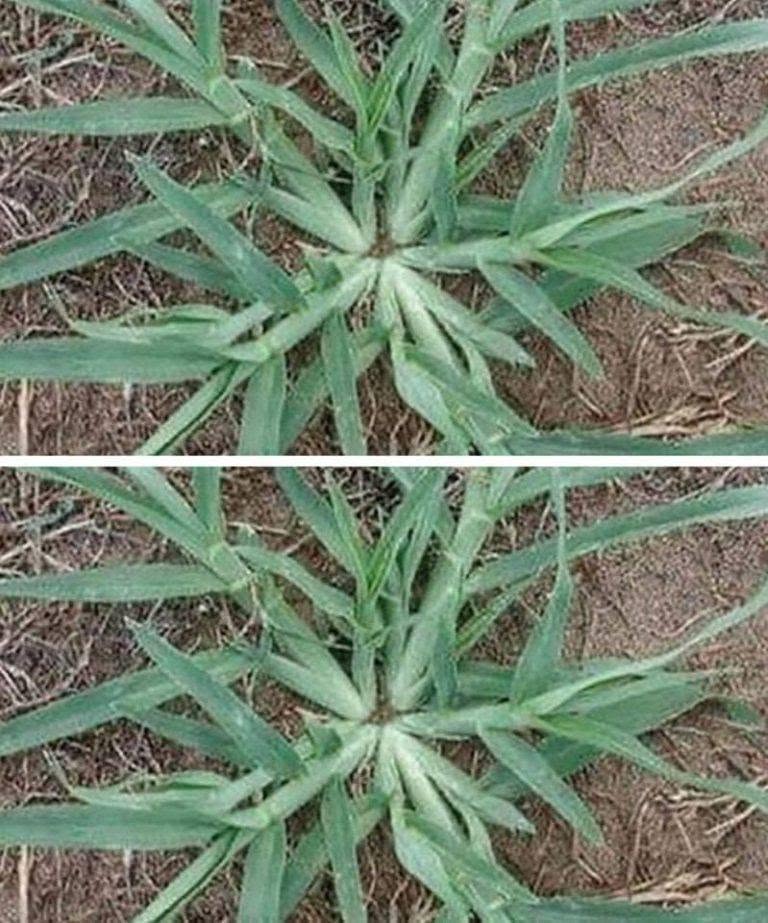
How to Recognize Purslane
Correct identification is essential before eating any wild or volunteer plant.
Common purslane generally has several recognizable characteristics:
- Low, spreading growth
- Succulent, fleshy leaves
- Smooth leaf surfaces
- Reddish or green succulent stems
- Small yellow flowers
- No milky sap when the stem is broken
Be Careful With Look-Alike Plants
Purslane can sometimes be confused with other low-growing plants.
One important look-alike is certain types of spurge, which should not be eaten.
Many spurges release a white, milky sap when the stem is broken, while purslane does not.
Because wild-plant identification mistakes can be serious, never eat a plant unless you are completely certain of its identity.
Where Should You Harvest Purslane?
If purslane appears in your own untreated garden and you know exactly how the area has been managed, it may be suitable for culinary use after proper identification and washing.
Avoid harvesting plants growing:
- Along busy roads
- Near industrial areas
- In places treated with herbicides or pesticides
- Where pets frequently relieve themselves
- In potentially contaminated soil
How to Harvest Purslane
Choose young, tender stems and leaves.
Use clean scissors or garden shears and cut the plant above the soil line.
Avoid pulling up the entire root if you want the plant to continue producing tender growth.
How to Wash Purslane
Because purslane grows close to the ground, it may carry soil and grit.
Wash it carefully before eating.
Place the harvested leaves and stems in a bowl of clean water, swish gently, then rinse under running water.
Repeat if necessary until no grit remains.
What Does Purslane Taste Like?
Purslane has a fresh, slightly tangy flavor.
Some people describe it as mildly lemony or salty.
The succulent leaves are crisp and juicy rather than soft like lettuce.
How to Eat Purslane Raw
Young purslane leaves and tender stems can be added directly to salads after washing.
Try combining them with:
- Tomatoes
- Cucumber
- Onion
- Parsley
- Lemon juice
- Olive oil
- Feta cheese
Simple Purslane Salad
Combine washed purslane with chopped tomatoes, cucumber, red onion, lemon juice, olive oil, and a small amount of salt and pepper.
Serve immediately for the freshest texture.
Purslane With Yogurt
Purslane pairs particularly well with plain yogurt.
Chop the washed leaves and tender stems and stir them into yogurt with garlic, lemon juice, and herbs.
This makes a refreshing side dish or dip.
Cooking Purslane
Purslane can also be cooked.
It can be lightly sautéed, added to soups, or stirred into stews shortly before serving.
Because the plant contains natural mucilage, it may slightly thicken soups and stews during cooking.
Purslane in Soups
Add chopped purslane during the final several minutes of cooking.
It pairs well with lentils, tomatoes, beans, potatoes, and other vegetables.
Sautéed Purslane
Heat a small amount of olive oil in a skillet.
Add garlic if desired, followed by washed purslane.
Cook briefly until the leaves soften but still retain some texture.
Finish with lemon juice and black pepper.
Can Purslane Be Added to Eggs?
Yes.
Chopped purslane can be sautéed briefly and added to scrambled eggs, omelets, or frittatas.
Its slightly tangy flavor pairs well with eggs and cheese.
Can You Freeze Purslane?
Fresh purslane is best used soon after harvesting, but it can also be blanched briefly and frozen.
The texture will soften after freezing, so frozen purslane is better suited to soups and cooked dishes than salads.
How to Store Fresh Purslane
Wrap clean, dry purslane loosely in a slightly damp paper towel and store it in a container or produce bag in the refrigerator.
For the best texture, use it within several days.
Before deciding that every patch of purslane is a nuisance, consider whether it could become a fresh ingredient for salads, soups, eggs, and other simple dishes.
