
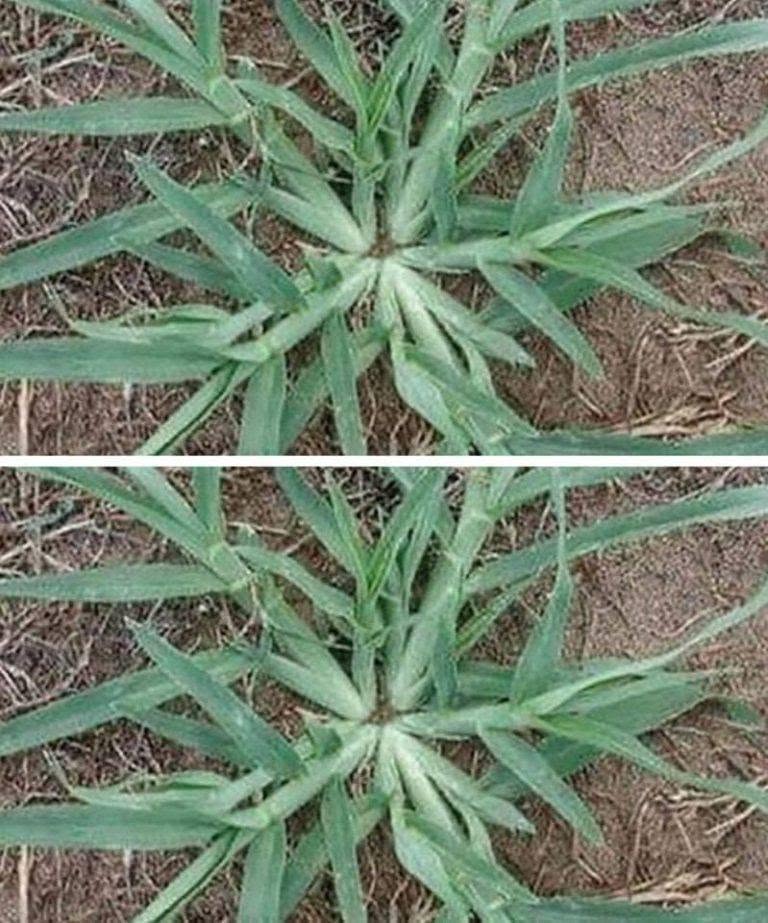
Never Uproot This Plant If It Appears in Your Garden: Why Purslane Is Worth Keeping
Many plants appear naturally in gardens, sidewalks, flower beds, and even between paving stones. Because they grow without being planted, they are often dismissed as weeds and removed immediately.
One of the most interesting examples is purslane, scientifically known as Portulaca oleracea.
This low-growing plant usually appears during spring and summer and is easy to recognize by its smooth, fleshy leaves, reddish stems, and spreading growth habit.
Although many gardeners pull it out without a second thought, purslane has a long history as both an edible plant and a traditional food in many parts of the world.
Rather than treating every patch of purslane as an unwanted weed, it may be worth taking a closer look first.
What Is Purslane?
Purslane is a succulent annual plant that grows close to the ground.
Its leaves are thick, juicy, and slightly spoon-shaped, while the stems may appear green or reddish.
Small yellow flowers can develop during warmer weather.
The plant thrives in sunny areas and often appears in disturbed soil, vegetable gardens, paths, and containers.
It is remarkably hardy and can survive dry conditions because its fleshy leaves and stems store water.
Is Purslane Really Edible?
Yes. Properly identified purslane is eaten in many cuisines around the world.
Its leaves and tender stems have a mildly tangy, slightly salty flavor with a crisp texture.
They can be eaten raw or cooked.
Purslane has traditionally been added to salads, soups, stews, vegetable dishes, yogurt-based preparations, and sauces.
Why Purslane Attracts So Much Nutritional Interest
Purslane contains several nutrients and naturally occurring plant compounds.
Its nutritional profile can vary according to growing conditions and maturity, but it may provide:
- Dietary fiber
- Vitamin C
- Vitamin A precursors such as beta-carotene
- Vitamin E
- Magnesium
- Potassium
- Calcium
- Iron
- Antioxidant plant compounds
One characteristic that makes purslane particularly unusual among leafy plants is that it contains alpha-linolenic acid, or ALA, a plant-based omega-3 fatty acid.
Purslane and Plant-Based Omega-3 Fatty Acids
Omega-3 fatty acids are essential fats that must come from the diet.
Purslane contains ALA, the same type of plant-based omega-3 found in foods such as flaxseed, chia seeds, and walnuts.
That does not make purslane a replacement for fish or other established omega-3 sources, but it does make the plant nutritionally interesting.
A Natural Source of Fiber
The fleshy leaves and stems of purslane contribute dietary fiber.
Fiber supports normal digestive function and can help contribute to a feeling of fullness when eaten as part of a balanced meal.
As with other vegetables, purslane works best as one part of a varied diet rather than as a single “miracle” food.
Antioxidants in Purslane
Purslane contains several naturally occurring antioxidant compounds.
Antioxidants help protect cells against oxidative stress, a normal process that occurs when unstable molecules called free radicals interact with cells.
Eating a variety of fruits, vegetables, herbs, legumes, nuts, and seeds is one of the best ways to obtain a broad range of antioxidants.
What makes purslane special is not a miracle cure, but the fact that a plant many people discard as a weed can actually be a nutritious edible green when correctly identified and safely harvested.
