
How Long Do Frozen Bananas Last?
Frozen bananas remain safe much longer when continuously frozen, although flavor and texture gradually decline over time.
For the best quality, use them within several months.
The idea that an ordinary fresh banana can stay identical for two years is misleading. Long storage requires freezing, drying, or another proper preservation technique.
Do Frozen Bananas Turn Brown?
They can darken somewhat during freezing.
This is usually an appearance issue rather than an indication that they have become unsafe.
Using airtight packaging helps reduce oxidation and freezer burn.
Can You Freeze Whole Peeled Bananas?
Yes.
Whole peeled bananas work particularly well if you frequently use one banana at a time for smoothies or baking.
Freeze them individually first before transferring them to a freezer bag.
Can You Freeze Mashed Bananas?
Absolutely.
If you regularly make banana bread or muffins, mash ripe bananas and freeze them in measured portions.
For example, freeze one-cup portions in labeled freezer containers.
When you are ready to bake, thaw exactly the amount your recipe requires.
Another Long-Term Option: Drying Bananas
Dehydration removes much of the moisture microorganisms require for growth.
Properly dried bananas can therefore be stored considerably longer than fresh fruit.
Use a food dehydrator or another tested drying method and store the finished fruit in suitable airtight packaging.
Homemade Dried Banana Slices
Slice ripe but firm bananas evenly.
A light coating of lemon juice can help reduce browning.
Arrange the slices according to your dehydrator manufacturer’s instructions and dry until the desired texture is reached.
Allow them to cool completely before storage.
Can Bananas Be Preserved for Two Years?
This depends entirely on what “preserved” means.
A fresh yellow banana cannot simply be stored on a countertop or in a refrigerator for two years.
To preserve bananas for very long periods, the fruit must be processed appropriately, such as through professional freezing, freeze-drying, dehydration, or another tested food-preservation method.
Even then, storage life depends on packaging, temperature, moisture, and food-safety conditions.
Never Trust Unsafe Viral Preservation Methods
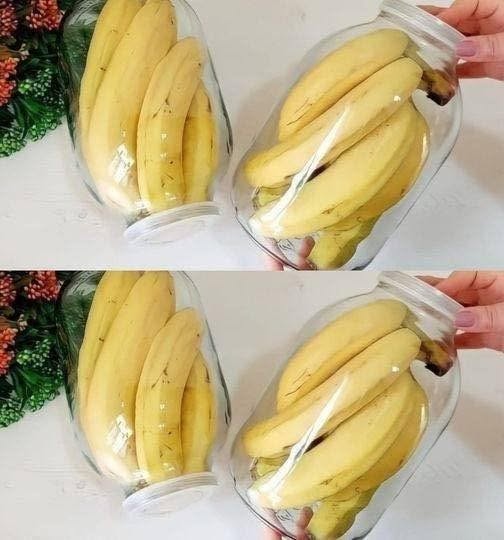
Be cautious with online methods claiming that fresh fruit can sit at room temperature for months or years after being sealed in jars without proper processing.
Simply placing fresh bananas in a closed jar does not make them shelf-stable.
Safe home preservation requires tested techniques appropriate to the food involved.
What Can You Do With Overripe Bananas?
A banana does not become useless simply because the peel develops many brown spots.
Very ripe bananas are actually excellent for cooking and baking because their starches have converted into sugars, giving them stronger sweetness and aroma.
Banana Bread
Overripe bananas are ideal for banana bread.
The softer and sweeter the fruit becomes, the more flavor it contributes to the batter.
Banana Pancakes
Mash ripe bananas and add them to pancake batter for natural sweetness and moisture.
Smoothies
Freeze ripe banana chunks and blend them directly from frozen.
They create a naturally thick and creamy smoothie texture.
Banana “Nice Cream”
Blend frozen banana slices in a food processor or high-powered blender until smooth.
The result develops a creamy consistency similar to soft-serve dessert.
You can add:
- Unsweetened cocoa powder
- Peanut butter
- Vanilla
- Frozen berries
- Cinnamon
Oatmeal
Mash a ripe banana into hot oatmeal.
It adds sweetness and creaminess without requiring much additional sugar.
When Should You Throw a Banana Away?
A black peel alone does not automatically mean the banana is spoiled.
Discard bananas if you notice:
- Visible fuzzy mold
- A strongly fermented or rotten smell
- Leaking or unusually slimy flesh
- Severe decomposition
Brown Spots Are Usually Normal
Brown spots are a normal part of banana ripening.
A heavily spotted peel often means the fruit inside is sweeter and softer.
This stage is particularly good for baking.
Can You Eat a Banana With a Completely Black Peel?
Sometimes, yes.
Cut it open and inspect the flesh.
If the inside looks normal, smells sweet rather than rotten, and has no mold, it may still be suitable for baking or smoothies.
How to Buy Bananas So They Last Longer
If you do not plan to eat the entire bunch quickly, buy bananas at different stages of ripeness.
For example:
- A few yellow bananas for immediate use
- A few yellow-green bananas for the next several days
- Greener bananas for later in the week
This simple shopping strategy prevents the entire bunch from becoming overripe on the same day.
Frequently Asked Questions
Should Bananas Be Refrigerated?
Refrigerate them once they have reached your preferred level of ripeness.
The skin will darken, but the flesh can remain good longer.
Why Should I Wrap Banana Stems?
Wrapping the stem area may help slow ethylene movement and delay ripening slightly.
Can I Store Bananas Next to Apples?
You can, but apples release ethylene and may cause bananas to ripen more quickly.
This is useful if you want faster ripening, but not if you are trying to preserve them.
Can I Freeze Bananas With Their Peels?
Technically yes, but peeling them beforehand is much more convenient.
Frozen peels turn very dark and can become difficult to remove.
How Can I Ripen Bananas Faster?
Place them inside a loosely closed paper bag with an apple or ripe banana.
The trapped ethylene speeds ripening.
Can I Stop Banana Ripening Completely?
No.
Ripening is a natural biological process.
You can slow it through cooler temperatures and careful storage or essentially pause deterioration by freezing the fruit.
Are Green Bananas Safe to Eat?
Yes, although they are firmer, less sweet, and contain more resistant starch than ripe bananas.
Do Bananas Lose Nutrients When Frozen?
Freezing preserves many nutrients reasonably well, although some changes can occur during prolonged storage.
Frozen bananas remain a useful and nutritious food.
Common Storage Mistakes
- Leaving ripe bananas beside apples and avocados
- Keeping them near heat or direct sunlight
- Refrigerating very green bananas too early
- Throwing away perfectly usable brown bananas
- Freezing bananas without peeling them first
- Leaving cut bananas uncovered
- Believing untested methods can keep fresh bananas safe at room temperature for years
A Simple Banana Storage Plan
If you want to waste as little fruit as possible, follow this routine:
- Keep underripe bananas at room temperature.
- Store them away from other ethylene-producing fruits if you want slower ripening.
- Consider separating the bananas and wrapping the stems.
- Once perfectly ripe, refrigerate the bananas you will eat within the next few days.
- Peel, slice, and freeze any extras before they become too soft.
- Use very ripe bananas for baking rather than throwing them away.
Final Thoughts
Bananas do not need to become food waste simply because they ripen quickly.
Understanding how ethylene gas, temperature, bruising, and nearby fruits affect ripening gives you much more control over how long your bananas remain usable.
For short-term storage, keep them cool, separate them from other ripening fruit, consider wrapping the stems, and refrigerate once they have reached the ripeness you prefer.
For long-term preservation, freezing is one of the easiest and most practical solutions. Peel the bananas, slice or portion them, freeze them separately, and store them in airtight freezer packaging.
Frozen bananas may no longer have exactly the same texture as fresh fruit, but they are excellent for smoothies, baking, oatmeal, pancakes, and frozen desserts.
Claims that ordinary fresh bananas can remain unchanged for two years should be treated cautiously. Keeping bananas for that kind of timeframe requires proper long-term preservation rather than a simple countertop trick.
The real secret is much more useful: preserve the fruit before it becomes unusable.
That way, a bunch that would normally last only several days can continue providing breakfasts, smoothies, desserts, and baked treats for months to come.
