
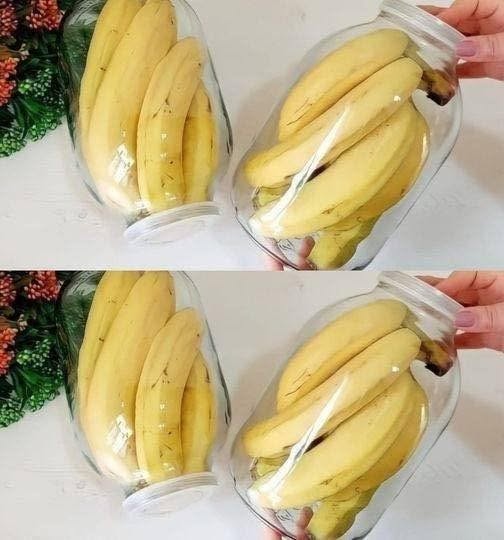
Bananas are one of the most popular fruits in the world. They are naturally sweet, easy to eat, affordable, and useful in everything from breakfast bowls and smoothies to cakes, pancakes, and desserts.
But they also have one frustrating characteristic: once they begin to ripen, they can quickly move from bright yellow to heavily spotted, soft, and eventually overripe.
This has led to viral claims that certain storage methods can keep bananas “fresh for up to two years.” That statement needs an important clarification. Fresh bananas cannot realistically remain in their original fresh state for two years using an ordinary household storage trick. However, bananas can be preserved for long periods through methods such as freezing, drying, or proper long-term food preservation.
The good news is that several simple techniques can dramatically slow ripening and help you waste fewer bananas.
Why Do Bananas Ripen So Quickly?
Bananas naturally produce a plant hormone called ethylene gas.
Ethylene plays an important role in ripening. As bananas produce more of it, several changes begin to occur:
- The peel changes from green to yellow.
- Starches inside the fruit convert into sugars.
- The flesh becomes softer.
- The aroma becomes stronger and sweeter.
- Brown spots gradually appear on the peel.
This is completely natural.
However, warm temperatures, trapped ethylene, bruising, and storing bananas beside other ethylene-producing fruits can make the process happen much faster.
Bananas Are Surprisingly Nutritious
Bananas are often appreciated for their potassium content, but they contain several other useful nutrients as well.
Depending on size and ripeness, bananas provide:
- Potassium
- Vitamin B6
- Vitamin C
- Dietary fiber
- Carbohydrates
- Small amounts of magnesium
- Natural plant compounds
They are also versatile enough to fit into breakfast, snacks, desserts, and baked recipes.
The First Trick: Separate the Bananas
If you buy bananas as a bunch, separating them can sometimes help slow the ripening process slightly.
When several bananas remain tightly clustered together, ethylene released around the stems can accumulate in one area.
Separating individual bananas increases airflow around them.
Wrap the Stems
One of the easiest banana-storage tricks is to wrap the stem area with plastic wrap or reusable food wrap.
The crown of the bunch is one area from which ethylene is released.
Wrapping the stems may help slow the movement of the gas and slightly delay ripening.
For even better control, separate the bananas first and wrap each stem individually.
Keep Them Away From Other Ripening Fruits
Apples, pears, avocados, peaches, tomatoes, and several other fruits also release ethylene.
If you place them together with bananas, ripening can accelerate.
If your goal is to keep bananas yellow longer, store them away from other ripe fruit.
The key to longer-lasting bananas is slowing the natural ripening process—not stopping it forever.
