
Myth 4: Healthy people don’t need to worry
Fact: Aneurysms can develop even in otherwise healthy individuals.
Some aneurysms form silently due to microscopic changes in blood vessels, including:
- Weakening of structural proteins
- Inflammation of vessel walls
- Irregular blood flow patterns
Even people who appear healthy may still have risk factors such as undiagnosed high blood pressure or family history.
Myth 5: All aneurysms eventually rupture
Fact: Not all aneurysms rupture, but some carry higher risk than others.
Rupture risk depends on:
- Size of the aneurysm
- Location in the body or brain
- Rate of growth
- Wall strength
Doctors often monitor small aneurysms over time and may recommend treatment only if the risk becomes significant.
What Actually Happens in an Aneurysm?
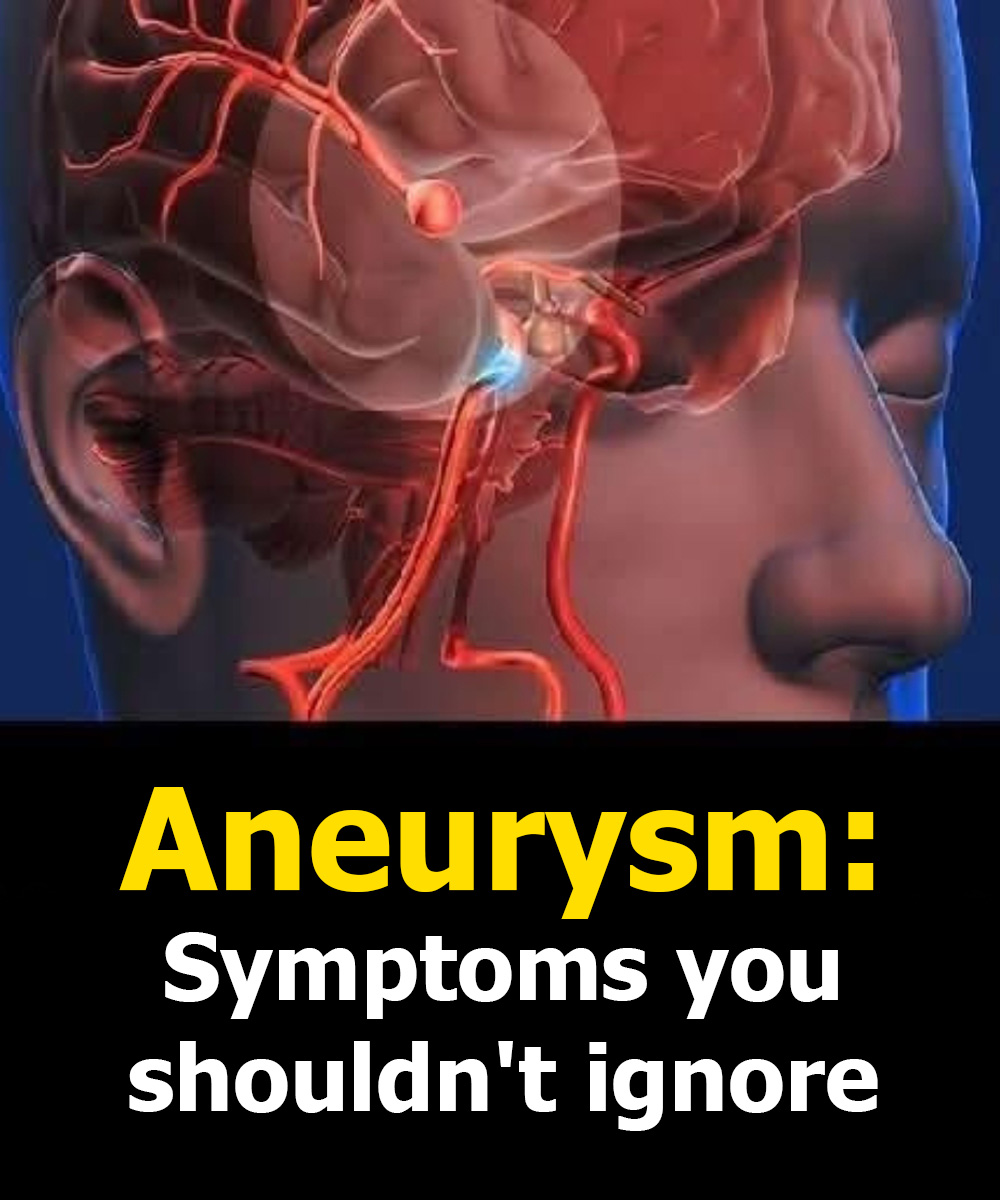
An aneurysm forms when a section of a blood vessel wall becomes weakened and starts to bulge outward due to pressure from blood flow.
Over time, several changes may occur:
- Loss of collagen and elastin in the vessel wall
- Chronic inflammation
- Increased stress from blood flow dynamics
If the wall becomes too thin, it may rupture, leading to internal bleeding.
Possible Warning Signs (Before Rupture)
Some aneurysms may cause symptoms if they press on nearby nerves or structures.
Possible signs include:
- Pain behind or above one eye
- Blurred or double vision
- Drooping eyelid
- Facial numbness or weakness
- Dilated pupil
Emergency Signs of Rupture
A ruptured aneurysm is a medical emergency.
Warning signs may include:
- Sudden, extremely severe headache
- Nausea and vomiting
- Stiff neck
- Confusion or loss of consciousness
- Seizures
Immediate medical help is essential in these situations.
Final Thought
Aneurysms are dangerous not because they are always symptomatic, but because they can remain silent for a long time.
Understanding the facts helps people recognize risks earlier and seek medical attention when needed.
Awareness can make a real difference—but diagnosis and treatment should always come from healthcare professionals.
