
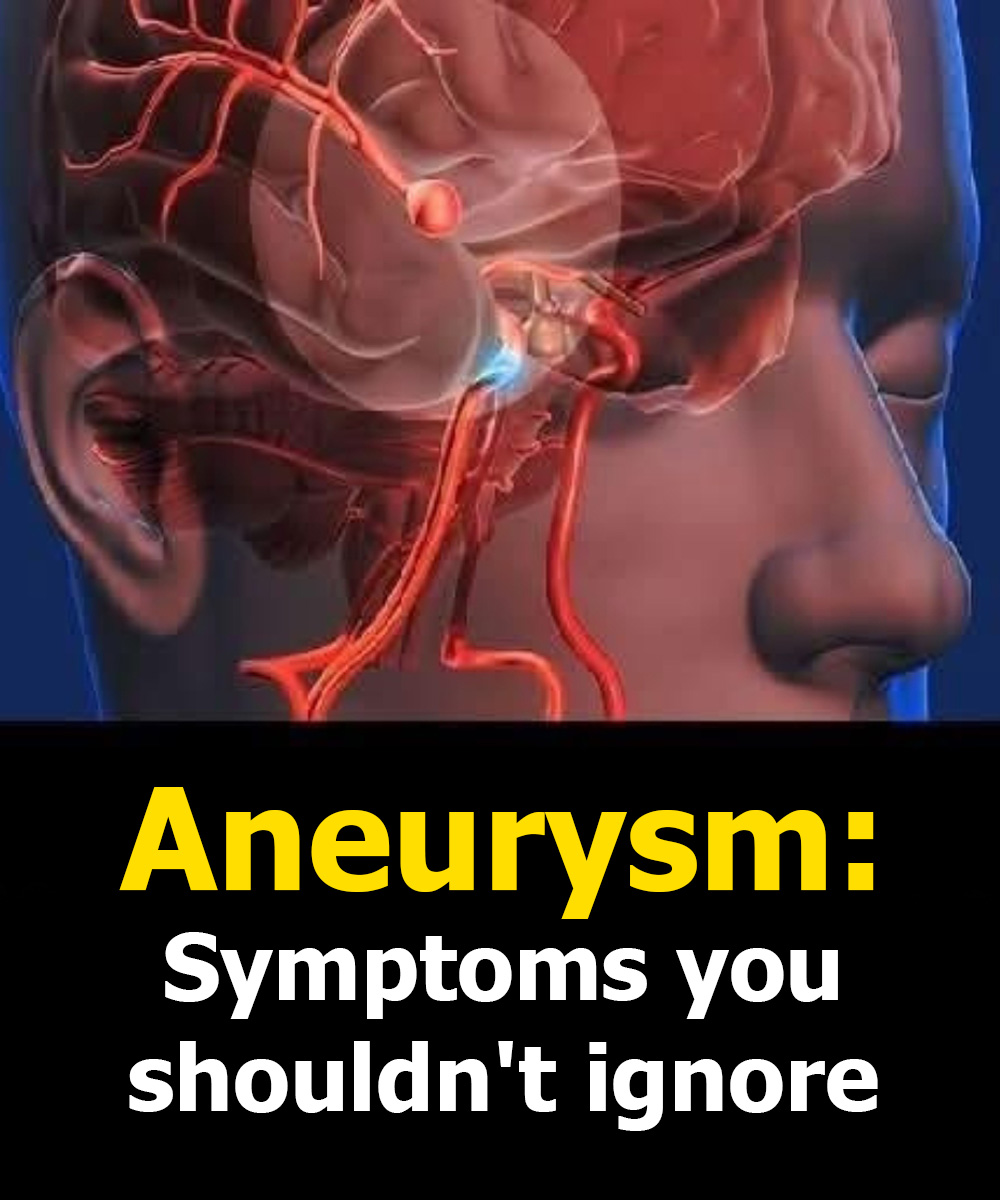
Aneurysms are often described as a bulging or ballooning in the wall of a blood vessel.
What makes them particularly dangerous is that many develop silently, without obvious symptoms—until a serious event occurs.
Because of this “hidden” nature, a lot of misunderstandings exist about what aneurysms are and how they behave.
Below is a clear breakdown of common myths and the scientific reality behind them.
Myth 1: Only older adults get aneurysms
Fact: Aneurysms can occur at any age.
While risk does increase with age, younger people are not completely protected.
Factors that can contribute include:
- Genetic predisposition
- Connective tissue disorders
- Congenital vessel weaknesses
- Smoking and high blood pressure
These can weaken blood vessel walls over time, regardless of age.
Myth 2: No symptoms means no danger
Fact: Many aneurysms are silent until they become serious.
Some aneurysms do not cause symptoms because they don’t press on surrounding structures.
However, the vessel wall may still be weakened.
As blood flows through the artery, pressure continues to stress the area, which can increase the risk of rupture over time.
Myth 3: A headache is just a headache
Fact: A sudden, extreme headache can be a warning sign in some cases.
In the case of a ruptured brain aneurysm, people often describe it as:
“the worst headache of my life.”
This can happen due to irritation of the brain’s protective layers by blood, and it requires immediate medical attention.
Continue to the next page to learn about hidden risks, warning signs, and what actually happens inside the blood vessel →
