
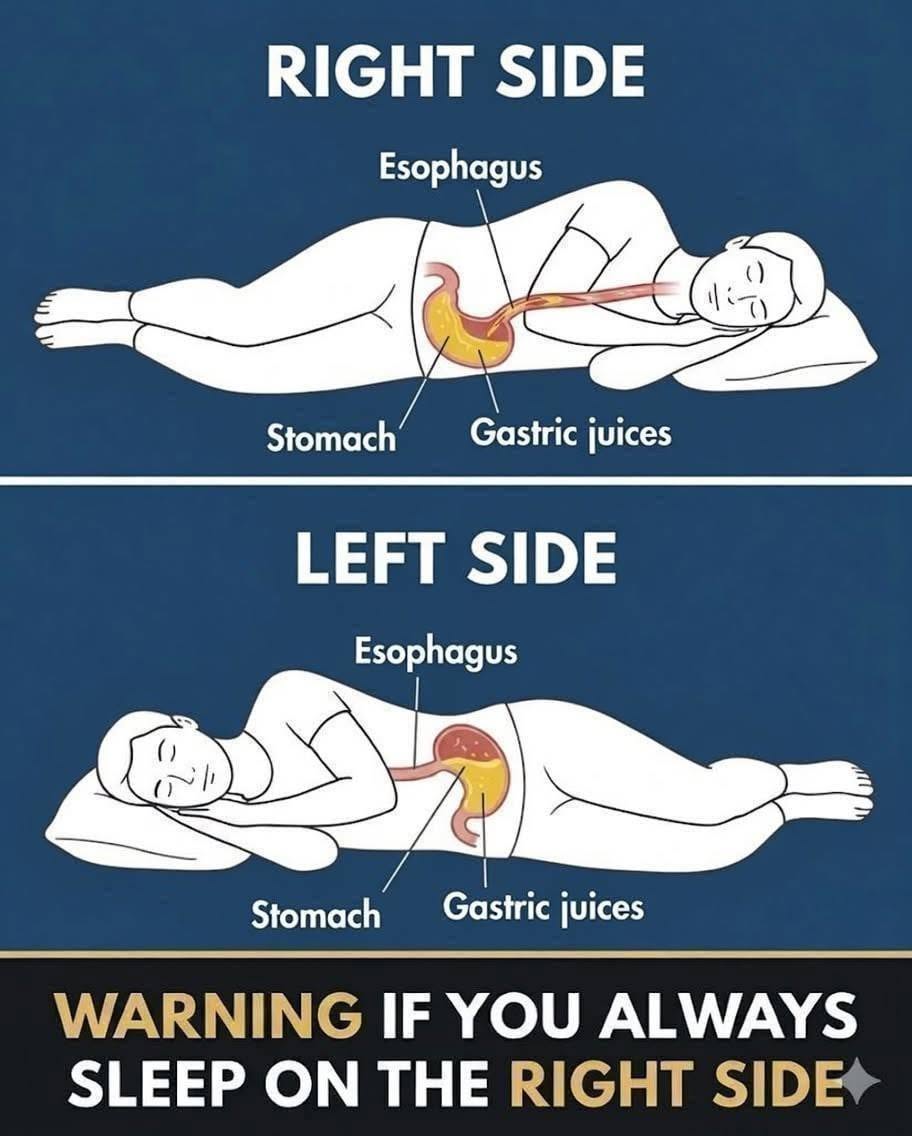
Pregnant women are commonly encouraged to sleep on their side, particularly during the later stages of pregnancy. The left side is often recommended because this position may help support blood flow to the uterus and placenta while reducing pressure on major blood vessels.
However, this does not mean that accidentally waking up on your right side is necessarily dangerous. Comfort, stage of pregnancy, individual health circumstances, and advice from a maternity healthcare professional should all be taken into account.
Can Sleeping on One Side Cause Discomfort?
Although side sleeping can be comfortable and beneficial for many people, spending long periods on the same side may create pressure on certain areas of the body.
Possible problems include:
- Shoulder soreness or pressure
- Temporary arm numbness or tingling
- Hip stiffness
- Neck discomfort
- Pressure around the knees
This is one reason why forcing yourself to remain completely still in a single position throughout the night is usually unnecessary. Most people naturally change positions while sleeping.
How to Make Side Sleeping More Comfortable
Small adjustments can make a significant difference. Your pillow should support your head without pushing your neck too far upward or allowing it to drop toward the mattress.
Placing a pillow between the knees can also help keep the hips, pelvis, and lower spine in a more comfortable alignment. Some people find that hugging another pillow helps support the upper shoulder and arm.
If one shoulder or hip is particularly painful, avoid placing prolonged pressure directly on that area whenever possible.
There Is No Perfect Sleeping Position for Everyone
There is no universally ideal sleeping position that works for every person.
Age, pregnancy, reflux, snoring, sleep apnea, joint problems, injuries, mattress firmness, pillow height, and personal comfort can all influence which position works best.
For some individuals, sleeping on the right side causes no noticeable problems at all. Others may discover that changing to the left side significantly reduces nighttime heartburn.
The important thing is to pay attention to patterns rather than assuming that one sleeping position is automatically harmful.
Signs Your Sleeping Position May Be Affecting Your Rest
Consider experimenting with your sleeping position if you frequently experience:
- Nighttime heartburn
- A sour taste after lying down
- Nighttime coughing
- Frequent snoring
- Morning neck or shoulder pain
- Numbness or tingling after waking
- Repeated sleep interruptions
- Poor-quality sleep despite spending enough time in bed
Persistent chest discomfort, difficulty breathing, repeated choking or gasping during sleep, or severe daytime sleepiness should not simply be blamed on sleeping position. These symptoms deserve medical evaluation.
Simple Habits That May Improve Nighttime Digestion
For people who experience nighttime reflux, changing sleeping position is only one part of the solution.
Eating a large meal and immediately lying down can make reflux more likely. Giving your stomach time to empty before bedtime may help.
People with frequent nighttime heartburn may benefit from avoiding large meals within roughly two to three hours of going to bed.
Be Careful With Late-Night Meals
Large, rich, or high-fat meals can remain in the stomach longer and may aggravate reflux in susceptible people.
Rather than following a universal list of forbidden foods, pay attention to your own triggers. Spicy foods, chocolate, alcohol, mint, coffee, tomato-based foods, and very fatty meals are common triggers for some people, but reactions vary considerably.
Elevating the Upper Body May Help
If reflux repeatedly occurs while lying down, elevating the upper body may provide additional relief.
A wedge pillow or properly elevating the head of the bed can use gravity to help keep stomach contents from traveling upward.
Simply stacking several ordinary pillows may not provide the same effect and can sometimes leave the neck in an uncomfortable position.
Maintain a Consistent Sleep Schedule
Your sleeping position matters less if you consistently do not get enough sleep.
Going to bed and waking at approximately the same time each day can support the body’s natural sleep-wake rhythm.
Adults generally benefit from making sufficient sleep a regular priority rather than trying to compensate for chronic sleep deprivation on weekends.
Create a Comfortable Sleep Environment
A bedroom that is dark, quiet, and comfortably cool can make it easier to fall asleep and remain asleep.
Reducing bright light and stimulating activities before bedtime may also help the brain transition toward sleep.
Choose the Right Pillow for Your Position
Side sleepers generally need enough pillow height to fill the space between the head and shoulder.
If the pillow is too thin, the head may tilt downward. If it is too thick, the neck may bend in the opposite direction.
The goal is comfortable alignment rather than a specific pillow thickness that works for everyone.
Don’t Ignore Persistent Snoring
Snoring is common, but loud habitual snoring accompanied by gasping, choking, breathing pauses, morning headaches, or excessive daytime sleepiness can be associated with obstructive sleep apnea.
Side sleeping may improve positional snoring or sleep apnea in some people, but it does not replace appropriate diagnosis and treatment.
What If You Always Wake Up on Your Right Side?
If you are healthy, comfortable, and sleeping well, there is generally no reason to panic simply because you naturally prefer the right side.
Your body changes position throughout the night without conscious control.
If you have reflux, however, noticing that symptoms repeatedly appear after right-side sleeping may be useful information. In that situation, deliberately beginning the night on your left side may be worth trying.
What If the Left Side Feels Uncomfortable?
You should not assume that discomfort must be tolerated simply because you have heard that the left side is healthier.
Shoulder injuries, arthritis, hip pain, pregnancy-related discomfort, and other conditions can make a particular side uncomfortable.
Unless you have been given specific medical instructions, comfort and good-quality sleep remain important considerations.
Frequently Asked Questions
Is It Unhealthy to Sleep on the Right Side Every Night?
For most healthy people, sleeping on the right side is not considered inherently unhealthy. The most notable concern is that it may aggravate acid reflux in susceptible individuals.
Why Might the Left Side Help With Heartburn?
The position of the stomach relative to the esophagus changes when you turn from one side to the other. Left-side sleeping tends to make it more difficult for stomach contents to reflux upward in many people with GERD.
Should Pregnant Women Sleep Only on the Left Side?
Side sleeping is commonly encouraged later in pregnancy, and the left side is frequently recommended. However, individual circumstances vary, and pregnant women should follow guidance from their obstetric or maternity healthcare professional rather than becoming anxious about normal position changes during sleep.
Can Sleeping on My Side Make My Arm Numb?
Yes. Prolonged pressure can temporarily compress nerves or reduce comfortable circulation around the shoulder and arm, causing tingling or numbness.
Frequently recurring numbness, persistent symptoms after changing position, weakness, or significant pain should be medically evaluated.
Is Side Sleeping Better Than Back Sleeping?
It depends on the person. Side sleeping can help reduce snoring and positional airway obstruction in some individuals, while back sleeping may feel better for certain musculoskeletal problems.
Should I Train Myself to Sleep on the Left Side?
If you regularly experience nighttime acid reflux, trying the left side is reasonable. If you have no symptoms and sleep comfortably on your right side, there may be little reason to force a change.
When Should You Talk to a Doctor?
Changing your sleeping position can help with minor comfort issues, but certain nighttime symptoms deserve more attention.
Seek professional medical advice if you experience persistent or severe heartburn, difficulty swallowing, unexplained chest discomfort, shortness of breath while lying down, repeated choking or gasping during sleep, witnessed breathing pauses, or severe daytime sleepiness.
Final Thoughts
Sleeping on the right side is not automatically harmful, and sleeping on the left side is not a universal health requirement.
The left side does have particular advantages for some people, especially those dealing with nighttime acid reflux. Side sleeping can also be useful for certain people who snore or experience positional breathing problems.
During later pregnancy, side sleeping is commonly encouraged, with the left side frequently recommended, although individualized maternity advice remains important.
Ultimately, sleeping position is only one piece of healthy sleep. A supportive mattress and pillow, sufficient sleep time, a consistent routine, appropriate meal timing, and attention to persistent symptoms can be just as important.
If you wake feeling rested and comfortable without reflux, breathing problems, or persistent pain, your preferred sleeping position may already be working well for you.
