
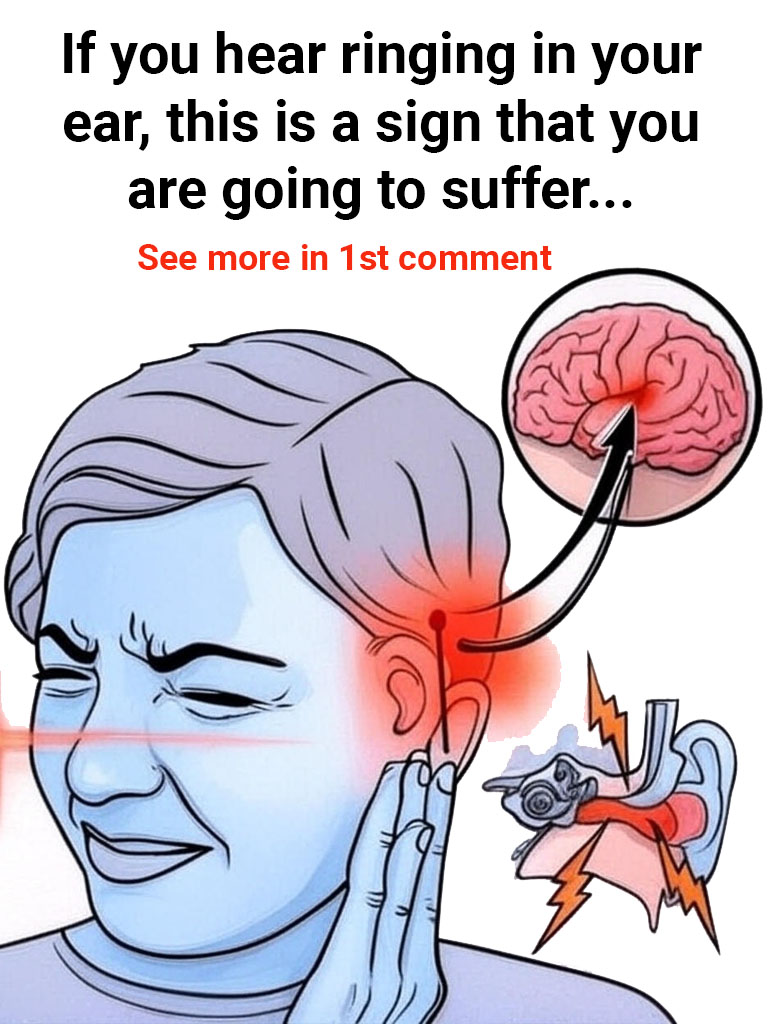
Tinnitus is often linked to changes in hearing. When the ears stop sending normal sound signals to the brain — sometimes because of hearing loss, loud noise exposure, or aging — the brain tries to compensate by “filling in the gaps.”
This overactivity can create phantom sounds.
But tinnitus is not only about the ears. Research shows it also involves areas of the brain connected to:
- Attention
- Emotion
- Stress response
- Memory
That’s why tinnitus can become mentally and emotionally exhausting over time.
The Stress Cycle of Tinnitus
One reason tinnitus feels overwhelming is because it can trigger a stress loop:
- The ringing begins.
- The brain interprets it as a threat.
- Stress and anxiety increase.
- The brain focuses more on the sound.
- The ringing feels louder and more noticeable.
This cycle can make symptoms seem worse, especially during periods of stress, fatigue, or anxiety.
