
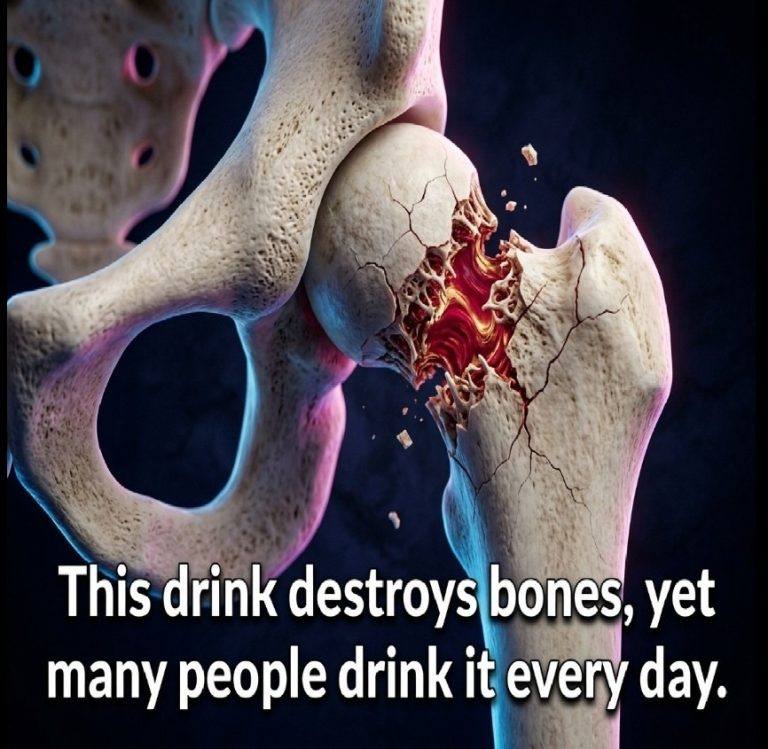
Bones are not static structures—they are living tissue that constantly rebuilds itself.
They support the body, protect vital organs, and play a key role in producing blood cells.
To stay strong, bones depend on a balance of calcium, vitamin D, and other essential minerals.
However, certain drinks can gradually disrupt this balance over time.
The effects are often silent at first, but long-term habits may contribute to weaker bone density and increased risk of fractures.
How Drinks Can Affect Bone Health
Bone health is closely linked to nutrition and metabolism.
Some beverages may contribute to mineral loss or reduce calcium absorption in the body.
Over time, this can affect bone strength and structure.
1. Carbonated Drinks
Carbonated soft drinks are often considered one of the most concerning beverages for bone health.
They may contain ingredients such as phosphoric acid and high levels of sugar.
These can influence calcium balance in the body.
Possible concerns include:
- Reduced calcium availability
- Increased acid load in the body
- Lower overall bone mineral density with frequent consumption
2. Excessive Coffee Consumption
Moderate coffee intake is generally considered safe for most people.
However, very high caffeine intake may affect calcium absorption.
Caffeine can slightly increase calcium loss through urine, especially when dietary calcium intake is low.
This effect is more relevant in people with already low calcium or vitamin D intake.
Continue to the next page to explore more drinks and how they may affect bone health →
