
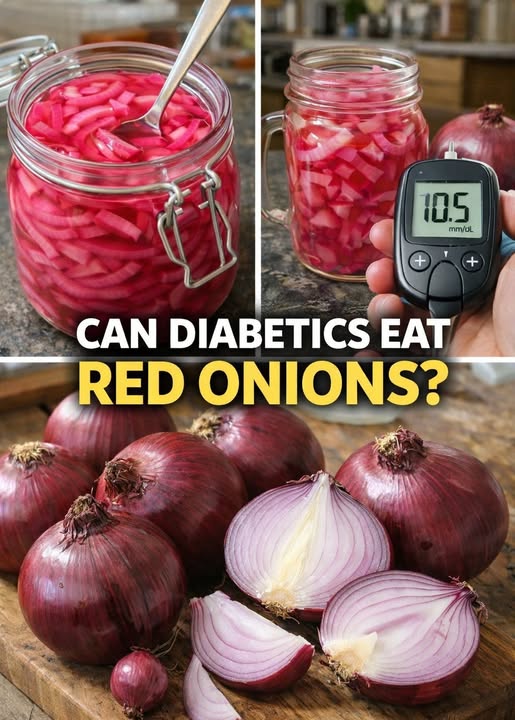
Before they’re even pickled, red onions already bring some solid nutritional value to the table.
They’re rich in antioxidants—especially compounds like quercetin, which has been studied for its potential anti-inflammatory properties. They also contain small amounts of vitamin C, vitamin B6, and folate, all of which support overall health and metabolism.
The good news? Pickling doesn’t strip all of that away.
While the flavor and texture change, many of these natural compounds remain. That’s why quick-pickled onions are often seen as a simple way to make a healthy ingredient more appealing—and easier to include in your daily meals.
The Vinegar Factor: More Than Just Flavor
Part of what makes pickled onions interesting isn’t just the onions—it’s the vinegar.
Some research has explored how vinegar may help support more stable energy levels after meals, particularly when eating carbohydrate-heavy foods. That’s why you’ll often see pickled onions mentioned in conversations about blood sugar awareness.
Now, it’s important to keep expectations realistic.
Pickled onions aren’t a medical solution or a miracle food. But adding vinegar-based foods to meals may help create a more balanced plate—especially if it encourages you to swap out heavier, sugary toppings.
Think of it as a small, helpful habit—not a cure-all.
