
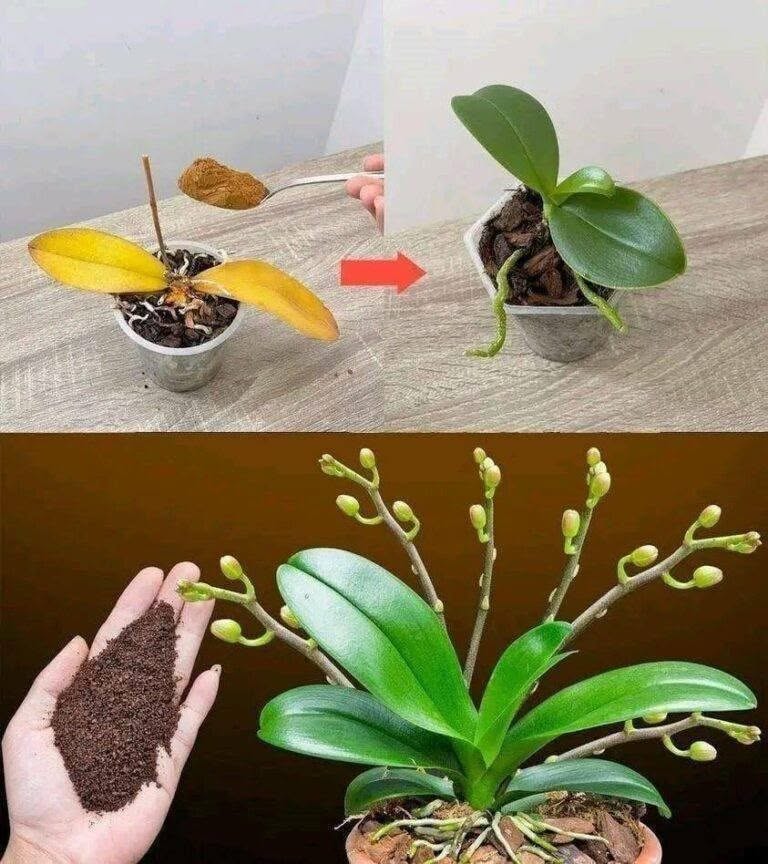
How to Use Diluted Coffee Carefully
If you want to experiment with coffee on an orchid, use it very sparingly and treat it as an occasional supplement rather than a fertilizer replacement.
Start with ordinary brewed coffee that contains no milk, cream, sugar, sweeteners, flavor syrups, or other additives.
Allow the coffee to cool completely before using it around plants.
A Conservative Dilution
A very mild mixture is preferable to strong coffee.
One cautious approach is to use approximately 1 teaspoon of plain brewed coffee in 1 cup of water.
This produces a highly diluted solution and reduces the risk of exposing orchid roots to excessive acidity or organic residue.
Because water chemistry and orchid species vary, even a diluted mixture should first be tested cautiously.
How Often to Apply It
There is no scientifically established schedule showing that coffee every two weeks reliably increases orchid flowering.
If you choose to experiment, occasional use is safer than frequent use.
Do not replace every normal watering with coffee water, and continue following appropriate orchid fertilization and watering practices.
Watch the Plant Closely
After using any new treatment, monitor the orchid for changes.
Possible signs that the plant is unhappy include yellowing leaves, soft or dark roots, unusual spotting, stalled growth, wilting, or deterioration of the potting medium.
If you notice negative changes, stop using the coffee solution and return to normal care.
Never Use Undiluted Coffee
Strong coffee should not be poured directly into an orchid pot.
Its acidity and dissolved compounds may irritate roots, encourage residue buildup, or alter the growing medium in ways that are difficult to control.
A concentrated treatment is unlikely to produce faster flowering and may instead stress the plant.
Avoid Coffee With Additives
Only plain coffee should ever be considered for this kind of experiment.
Coffee containing sugar, milk, cream, artificial sweeteners, syrups, or flavorings can encourage microbial growth and attract insects.
Filtered Coffee Is Preferable
If you experiment with brewed coffee, filtered coffee is preferable to liquid containing loose grounds.
Fine coffee particles can lodge in orchid bark or moss, reduce airflow, retain excess moisture, and encourage decomposition.
What About Used Coffee Grounds?
Used coffee grounds are sometimes promoted as a natural fertilizer, but they are generally not ideal for adding directly to orchid pots.
Orchid roots require excellent airflow, and coffee grounds can compact as they decompose.
They can also hold moisture, encourage mold, and change the structure of the potting medium.
If coffee grounds are used in gardening, they are usually better incorporated into a properly managed compost system rather than packed around orchid roots.
Does Organic Coffee Make a Difference?
Organic coffee is not required for orchids.
The more important factors are that the coffee is plain, properly diluted, and free of additives.
If you prefer organic products for personal or environmental reasons, they can certainly be used, but there is no clear evidence that organic brewed coffee causes orchids to bloom better than conventional coffee.
What Actually Encourages an Orchid to Bloom?
Flowering is primarily influenced by the orchid’s normal biological cycle and growing conditions.
For many popular Phalaenopsis orchids, proper light is especially important.
Some varieties also respond to a modest difference between daytime and nighttime temperatures during certain periods of the year.
A healthy root system, correct watering, sufficient nutrients, and enough time to mature are equally important.
Light Is Often the Missing Piece
If an orchid produces healthy leaves but no flowers year after year, inadequate light should be considered before adding unusual fertilizers or homemade treatments.
Move the plant gradually toward brighter indirect light rather than suddenly placing it in strong sun.
Sudden exposure to intense sunlight can scorch orchid leaves.
Temperature Changes Can Matter
Some orchids initiate flower spikes after experiencing cooler nighttime temperatures for a period of time.
Phalaenopsis orchids, for example, may respond to a moderate temperature drop at night when other growing conditions are suitable.
Exact requirements vary by species, so it is useful to identify the type of orchid you own.
Healthy Roots Come Before Flowers
An orchid with damaged roots may prioritize survival and leaf growth rather than flowering.
Healthy orchid roots are usually firm rather than mushy, and many Phalaenopsis roots appear silvery when dry and green after watering.
Dark, soft, hollow, or foul-smelling roots may indicate rot.
If root problems are present, correcting watering and repotting conditions is more important than trying to stimulate flowers.
Repotting Can Help When the Medium Breaks Down
Orchid bark gradually decomposes and can eventually become compacted.
When this happens, roots receive less air and the pot may remain wet for too long.
Repotting into fresh orchid medium can improve root conditions and support healthier long-term growth.
Can Coffee Affect Other Plant Species?
Coffee can influence other plants as well, but the effect depends greatly on the species, growing medium, and concentration used.
Plants that tolerate mildly acidic conditions may be less sensitive to occasional diluted coffee than plants that prefer neutral or alkaline conditions.
However, brewed coffee should not be treated as a universal fertilizer.
Acid-Loving Plants
Plants such as blueberries, azaleas, rhododendrons, and some hydrangeas are commonly associated with acidic soils.
Even with these plants, however, repeatedly pouring coffee around the roots is not a reliable way to manage soil pH.
Soil testing and appropriate fertilizers or soil amendments provide much more predictable results.
Houseplants and Coffee
Houseplants growing in containers are especially vulnerable to residue buildup because excess minerals and organic compounds have nowhere to disperse unless the pot is thoroughly flushed.
For this reason, frequent coffee watering can cause problems even for plants that tolerate mild acidity.
The Better Approach to Orchid Feeding
For most orchid growers, a balanced commercial orchid fertilizer used according to label directions is a more reliable choice than coffee.
Apply fertilizer conservatively and periodically flush the potting medium with plain water to help reduce accumulated salts.
Do not fertilize a severely dehydrated or damaged orchid until its basic care problems have been addressed.
Signs an Orchid May Be Ready to Bloom
A healthy mature orchid may begin producing a flower spike when environmental conditions are appropriate.
On Phalaenopsis orchids, flower spikes often emerge between the leaves and can initially resemble new roots.
Roots usually have rounded tips, while developing flower spikes often become flatter or more pointed as they grow.
Be Patient With the Natural Bloom Cycle
Many orchids do not flower continuously.
A period of leaf and root growth between blooming cycles is completely normal.
Trying to force a healthy orchid to bloom constantly can lead to unnecessary overfeeding and other care mistakes.
The Bottom Line
A tiny amount of diluted coffee is unlikely to be a magical bloom trigger, and scientific evidence does not support claims that a teaspoon of coffee reliably produces abundant orchid flowers.
Coffee can slightly change the acidity of irrigation water and contains small amounts of nutrients, but it is not a complete fertilizer and can cause problems when used too strongly or too frequently.
If you want to experiment, use only plain, cooled, highly diluted coffee occasionally and watch the orchid carefully.
For reliable flowering, focus first on the factors that matter most: appropriate light, healthy roots, careful watering, suitable temperatures, fresh potting medium, and balanced nutrition.
Those fundamentals may not sound as dramatic as a one-teaspoon trick, but they are far more important for helping an orchid grow well and return to bloom season after season.
