
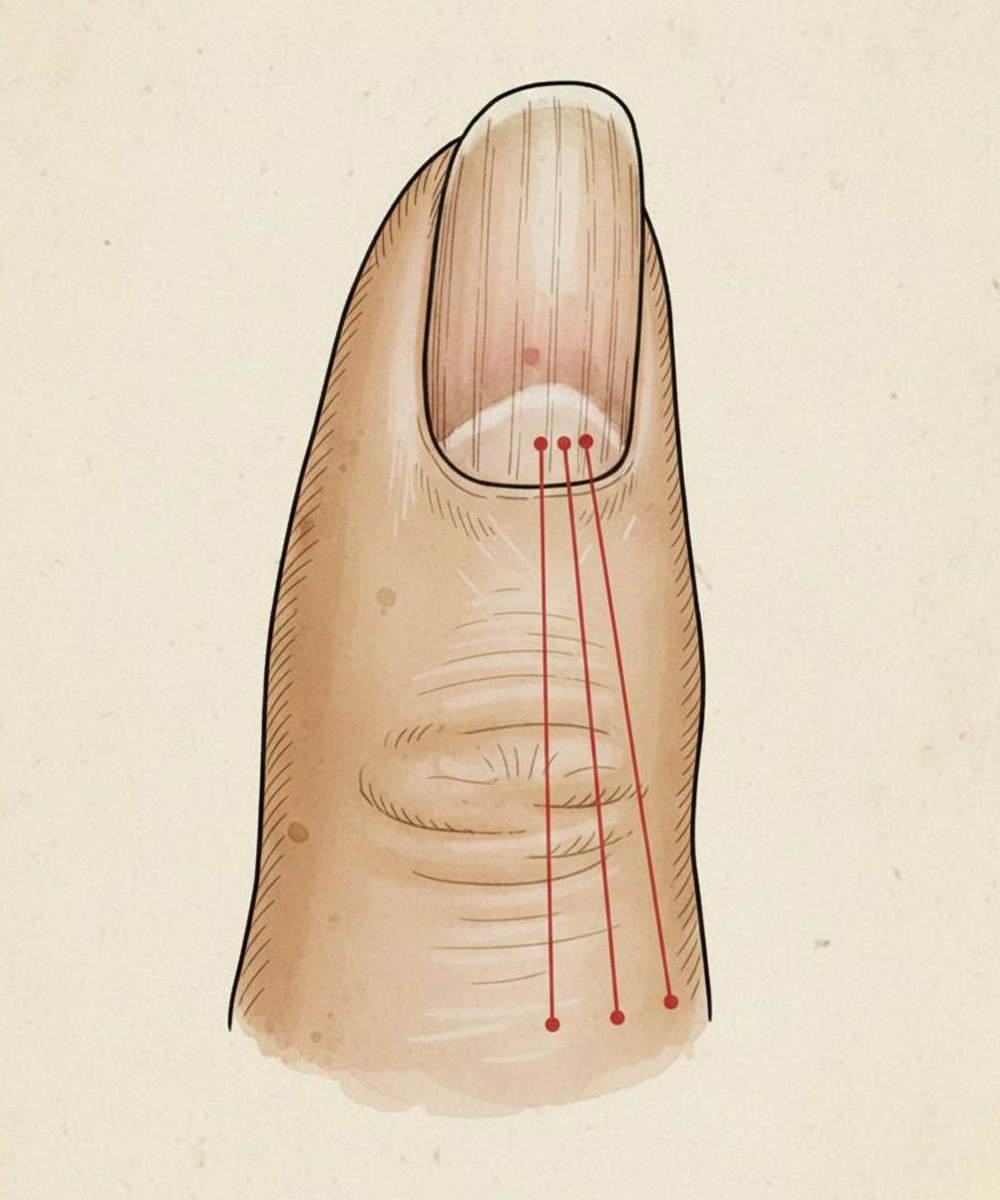
Nails often seem like a purely cosmetic feature, but they can also reflect what is happening inside the body.
Changes in texture, shape, or surface—such as lines or ridges—can appear for many different reasons. Some are harmless and temporary, while others may be linked to underlying health conditions.
Understanding the type of nail changes is the first step in interpreting them correctly.
Why Do Lines Appear on the Nails?
Nail ridges can develop due to several factors, including:
- Natural aging
- Nutritional deficiencies
- Skin conditions such as eczema
- Temporary interruptions in nail growth
- Systemic health conditions (in some cases)
The direction and appearance of the lines often provide important clues.
Vertical Lines (Longitudinal Ridges)
Vertical ridges run from the base of the nail to the tip.
In many cases, they are completely normal and become more common with age due to slower cell renewal in the nail matrix.
However, when accompanied by other changes such as brittleness, discoloration, or rough texture, they may sometimes be associated with:
- Nutritional deficiencies (iron, zinc, vitamins)
- Skin conditions like eczema
- Reduced overall nail health
Most of the time, vertical lines are not dangerous on their own.
Horizontal Lines (Beau’s Lines)
Horizontal indentations across the nail are known as Beau’s lines.
These are less common and usually indicate that nail growth was temporarily interrupted.
They can appear after:
- Severe illness or high fever
- Physical stress on the body
- Medical treatments such as chemotherapy
- Significant metabolic stress
Because they reflect a pause in nail growth, they can sometimes provide clues about past health events.
Continue to the next page to learn how to understand nail changes and when to seek medical advice →
