
Spring cleaning often encourages people to try simple, natural ways to freshen up their homes.
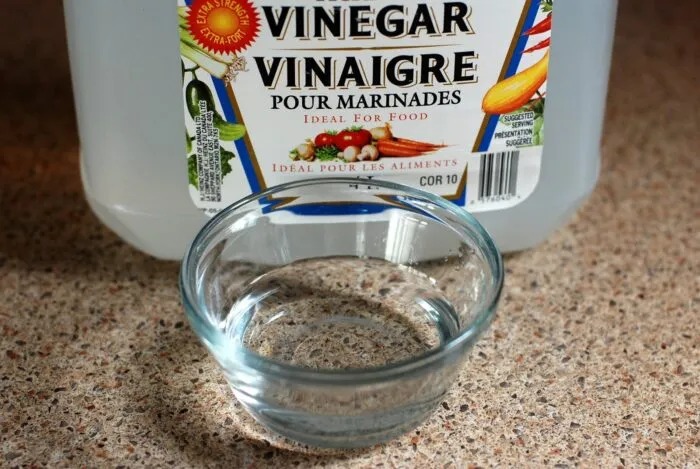
One method that has gained attention is placing bowls of white vinegar around the house to help reduce odors.
At first, the idea sounds strange.
After all, vinegar itself has a strong smell.
So how could it possibly make a room smell fresher?
The answer lies in the way vinegar interacts with odor-causing particles in the air.
Why White Vinegar Is Used in Cleaning
White vinegar is mainly made of water and acetic acid.
For generations, it has been used as a household cleaner because it can help:
- Break down grease and residue
- Remove mineral buildup
- Reduce certain odors
Unlike air fresheners that simply cover smells with perfume, vinegar works differently.
It helps neutralize some odors instead of masking them.
What Happens When You Leave Vinegar in a Room?
As the vinegar sits in an open bowl, small amounts slowly evaporate into the air.
Over time, this may help reduce lingering smells in the room.
People sometimes notice:
- Less noticeable cooking odors
- Reduced pet smells
- A fresher, more neutral atmosphere
However, vinegar does not technically “purify” the air.
It simply helps interact with certain odor particles.
Day 1–2: The Strong Vinegar Smell
During the first couple of days, the vinegar scent is usually very noticeable.
In smaller rooms especially, the smell may feel intense at first.
This stage often surprises people because the room temporarily smells more like vinegar than anything else.
Continue to the next page to see what changes after a few days—and what vinegar can and cannot actually do →
