
Better Ingredients for Dry or Dull Skin
If dullness is caused partly by dryness, look for moisturizers containing:
- Glycerin
- Hyaluronic acid
- Ceramides
- Squalane
- Petrolatum
These ingredients help support moisture retention and the protective skin barrier.
For Uneven Tone
Depending on your skin type, products containing niacinamide, vitamin C, azelaic acid, or carefully formulated exfoliating acids may be useful.
Start slowly and avoid using several strong products at the same time.
For Sensitive Skin
Sensitive skin generally benefits from fewer ingredients rather than more.
Choose fragrance-free cleansers and moisturizers and avoid frequent DIY exfoliation.
If your skin frequently burns, stings, or becomes red, a dermatologist can help determine whether conditions such as eczema, rosacea, or contact dermatitis are contributing.
For Oily or Acne-Prone Skin
Avoid assuming that drying or irritating the skin will cure acne.
Over-stripping the skin can worsen irritation.
Common acne-focused ingredients include:
- Salicylic acid
- Benzoyl peroxide
- Adapalene
- Azelaic acid
These are generally more appropriate choices than baking soda or lemon juice.
Common DIY Skincare Mistakes
- Using baking soda every day
- Applying pure lemon juice to sensitive facial skin
- Scrubbing too hard
- Leaving irritating mixtures on overnight
- Applying DIY acids before sun exposure
- Ignoring burning or stinging
- Expecting immediate wrinkle removal
- Skipping sunscreen while trying brightening remedies
Why “Natural” Does Not Always Mean Gentle
Many useful skincare ingredients originate from plants or other natural sources.
But natural substances can still irritate or damage skin.
Lemon juice is natural, but it is acidic.
Baking soda is familiar and inexpensive, but it is strongly alkaline compared with healthy skin.
Safety depends on concentration, formulation, frequency, and individual sensitivity—not simply whether an ingredient comes from a kitchen.
How Often Should You Exfoliate?
There is no single schedule that works for everyone.
Some people tolerate occasional gentle exfoliation, while others do better with almost none.
If your skin becomes tight, red, shiny, flaky, or unusually sensitive, you may be exfoliating too much.
What to Do if Baking Soda or Lemon Burns Your Skin
Rinse the area thoroughly with cool or lukewarm water.
Stop using active products such as retinoids, exfoliating acids, or strong vitamin C until the irritation settles.
Apply a bland, fragrance-free moisturizer.
If blistering, severe swelling, significant pain, or persistent irritation develops, seek medical care.
Can You Use This Mask Every Day?
No.
Daily use of baking soda and lemon can significantly increase the risk of irritation and barrier damage.
Even occasional use may be too irritating for sensitive skin.
Can It Be Left on Overnight?
No.
There is no reason to leave an alkaline, acidic DIY mixture on facial skin for many hours.
Longer contact does not guarantee better results and can increase irritation.
Can This Replace a Moisturizer?
No.
Honey may provide surface moisture, but a well-formulated moisturizer usually offers a more reliable combination of humectants, emollients, and occlusive ingredients.
Can It Replace Sunscreen?
Absolutely not.
No homemade mask replaces broad-spectrum sun protection.
Frequently Asked Questions
Does Baking Soda Whiten Skin?
No reliable evidence shows that baking soda safely changes natural skin color.
Temporary brightness after exfoliation should not be confused with permanent lightening.
Does Lemon Remove Dark Spots?
Fresh lemon juice is not a recommended pigmentation treatment because it can irritate the skin and sometimes worsen discoloration after inflammation.
Is Honey Good for Dry Skin?
Honey can help the surface of the skin retain moisture and may leave it feeling softer.
Can Baking Soda Remove Wrinkles?
No.
There is no good evidence that baking soda reverses established wrinkles.
Can I Use This Mask if I Have Acne?
It is generally better to avoid harsh DIY mixtures on inflamed acne.
Use products formulated specifically for acne-prone skin instead.
Why Does My Face Feel Tight After Baking Soda?
Tightness may indicate dryness or disruption of the protective skin barrier.
Can I Replace Lemon With Yogurt?
Plain yogurt is generally less harsh than fresh lemon juice, although sensitive skin can still react to any ingredient.
Patch testing remains important.
Is Raw Honey Better?
For simple moisturizing purposes, the key consideration is skin tolerance rather than whether the honey is marketed as raw.
When Should You See a Dermatologist?
Seek professional advice if you have:
- Persistent dark spots
- Severe acne
- Recurring irritation
- Unexplained rashes
- Changes in moles or skin lesions
- Persistent itching or burning
- Pigmentation that changes rapidly
A More Realistic Approach to Glowing Skin
Healthy-looking skin is rarely the result of one dramatic ingredient.
It usually comes from several consistent habits working together:
- Protecting the skin from excessive sun exposure
- Cleansing gently
- Maintaining moisture
- Avoiding unnecessary irritation
- Sleeping adequately
- Eating a varied diet
- Using appropriate evidence-based skincare when needed
Final Thoughts
Baking soda, lemon, and honey have become popular ingredients in homemade skincare because they are inexpensive, familiar, and easy to mix.
Honey may help soften and moisturize the skin, while light exfoliation can temporarily make the surface feel smoother.
However, baking soda is alkaline and fresh lemon juice is acidic enough to irritate facial skin.
Using the combination frequently, scrubbing aggressively, or leaving it on for long periods can do more harm than good, particularly for sensitive, dry, acne-prone, or pigmentation-prone skin.
If your goal is brighter, smoother skin, safer options include gentle moisturization, daily sunscreen, and properly formulated products containing ingredients such as niacinamide, vitamin C, azelaic acid, ceramides, or mild exfoliating acids.
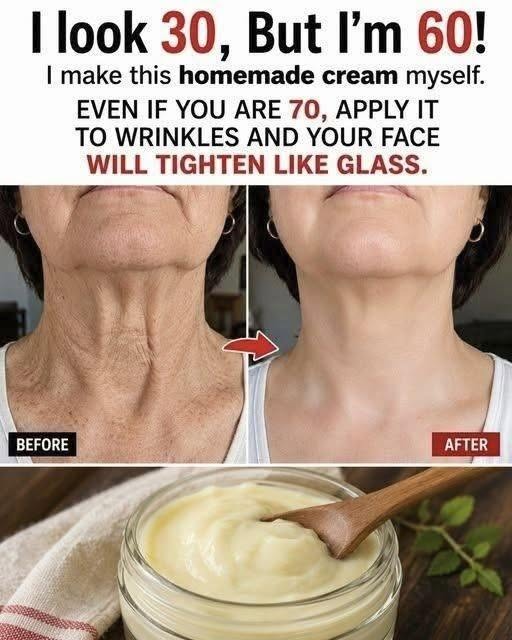
No homemade cream can permanently erase wrinkles, remove all dark spots, or reverse aging overnight.
What it can do, at best, is provide a temporary feeling of softness or freshness.
The most effective skincare routine is usually the one that protects the skin barrier instead of repeatedly challenging it.
Be gentle, introduce new products slowly, pay attention to irritation, and remember that consistency matters far more than any viral beauty trick.
