
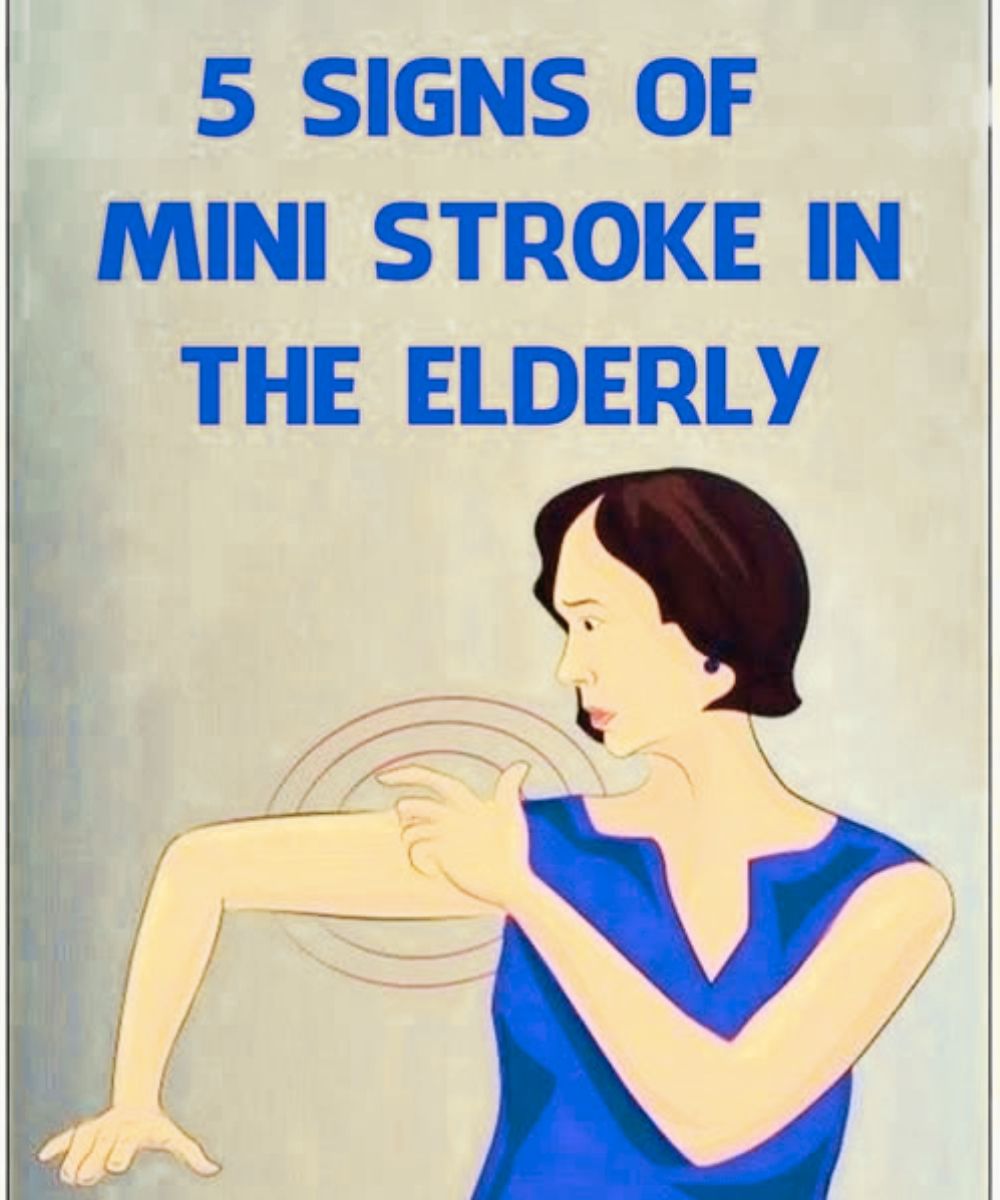
🧠 Mini-Stroke in the Elderly: Recognizing Symptoms and Getting Fast Medical Care
Worried about an aging parent or loved one who suddenly became confused, weak, dizzy, or had trouble speaking? These may be signs of a mini-stroke, medically called a transient ischemic attack (TIA).
A TIA happens when blood flow to part of the brain is briefly blocked. Symptoms often disappear within minutes or hours, but a TIA is a serious warning sign: many people who experience one are at higher risk for a major stroke soon afterward.
What Causes a Mini-Stroke?
In older adults, TIAs are commonly linked to conditions that affect blood vessels and circulation, including:
- High blood pressure
- Atherosclerosis (plaque buildup in the arteries)
- Atrial fibrillation and other irregular heart rhythms
- Diabetes
- High cholesterol
- Smoking
- Physical inactivity
- Obesity
These factors can increase the likelihood of blood clots or narrowed arteries that temporarily interrupt blood flow to the brain.
